
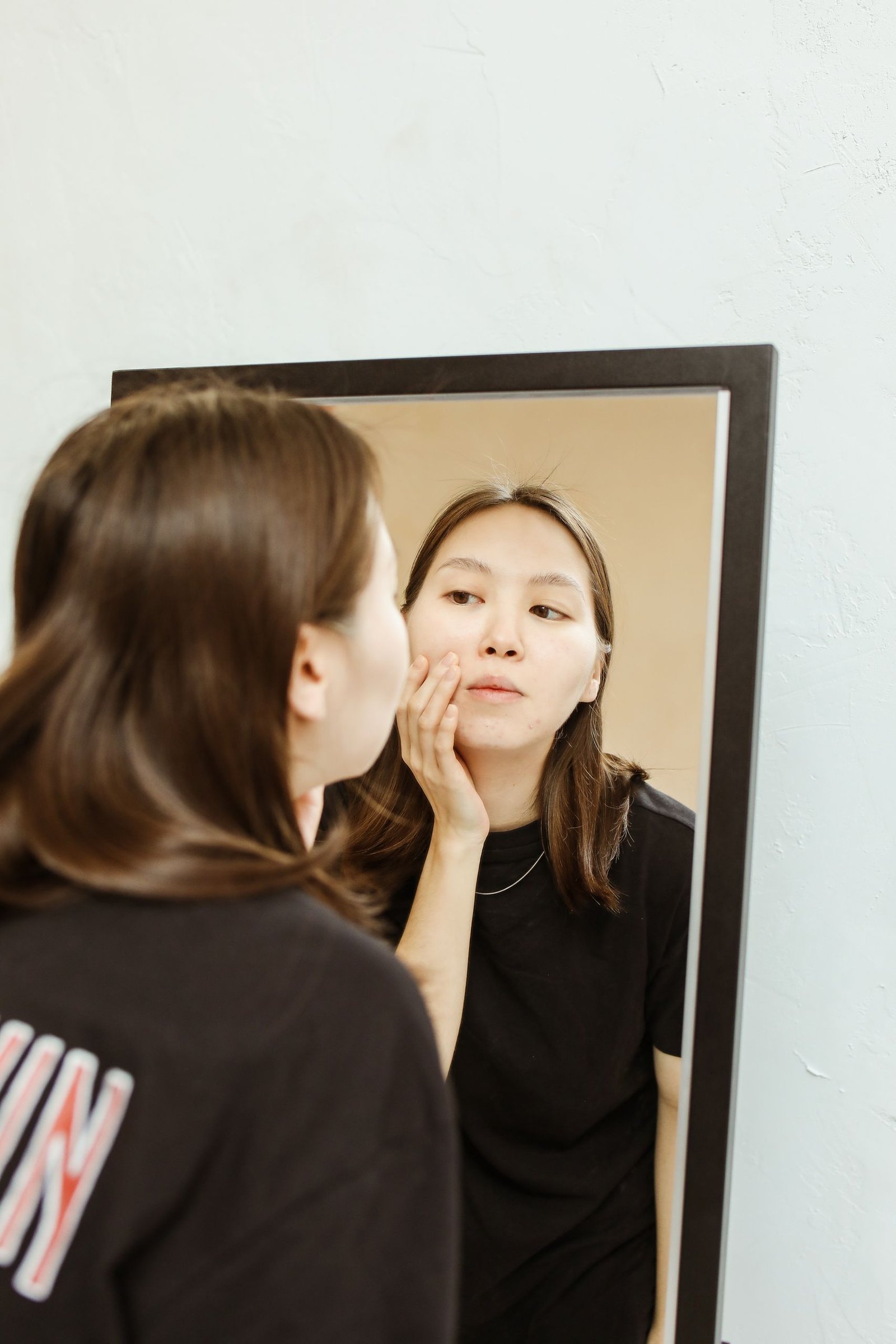
How to Get Rid of Pimples Overnight Safely and Wake Up to Calmer Skin
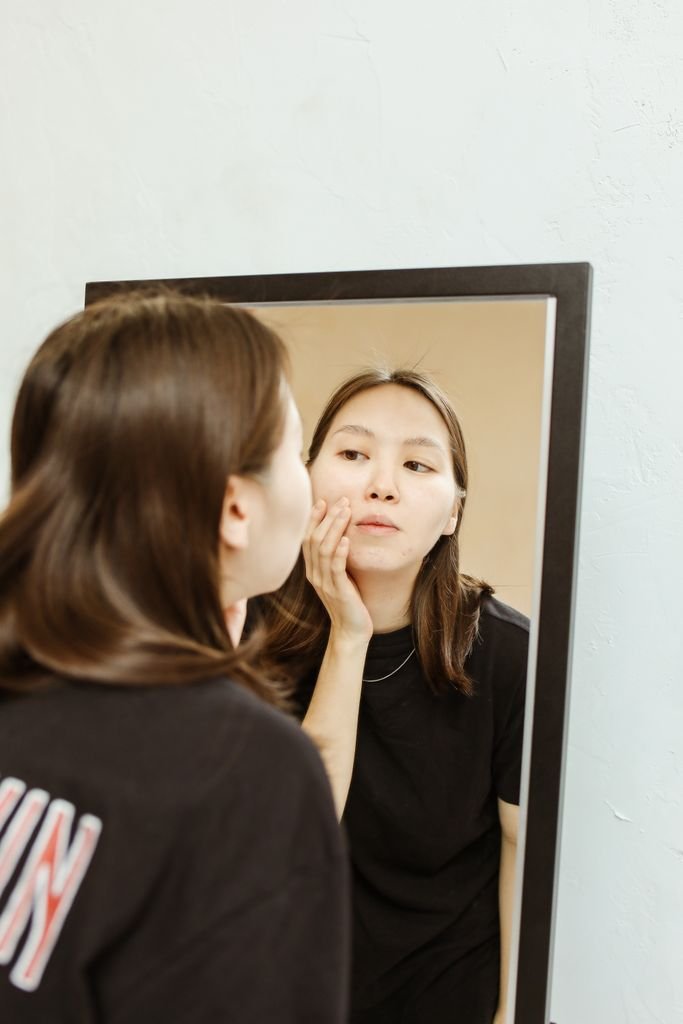
It always happens the night before something important — a party, an interview, a wedding — and there it is, a red, sore spot in the middle of your face. If you are searching for how to get rid of pimples overnight, you are not alone, and you are not out of options. You cannot erase every pimple in a few hours, but you can often shrink a pimple overnight, calm the swelling, and reduce the redness so it is far less noticeable by morning. The secret is a calm plan: cleanse gently, use one proven overnight acne treatment, protect the spot while you sleep, and keep your hands off it.
A quick honesty note: This is general skincare information, not medical advice. What suits one person may irritate another. If breakouts are frequent, deep, painful, or leaving scars, a dermatologist is the right next step.
What “Overnight” Can and Cannot Do
A pimple forms when a pore clogs with excess oil, called sebum, and dead skin cells. Bacteria then grow inside, and the area becomes swollen and red. That took days to build, so no cream can fully undo it in one night.
What one good night can do is worthwhile: swelling can go down, redness can fade, and a whitehead can flatten and dry out. The realistic goal is calmer, flatter, easier-to-cover skin by morning — not magic. Squeezing does the opposite, pushing bacteria deeper and often turning a two-day pimple into a week-long mark. Gentle and early beats aggressive and late.
First, Work Out Which Pimple You Are Dealing With
The best spot treatment for pimples depends on the type of spot you have — a quick look in the mirror, without touching, tells you tonight’s route.
Whiteheads — the most overnight-friendly type
A whitehead is a clogged pore with a small white centre that has come to a head. It responds best overnight, because the blockage sits near the surface, so a drying treatment or a hydrocolloid patch can draw out fluid while you sleep. If your goal is how to get rid of a whitehead overnight, the patch method below is for you.
Red, sore bumps with no head yet (papules)
A papule is a red, tender bump with no visible centre, sitting a little deeper, so there is nothing to draw out yet. Calm the inflammation with a cold compress and a gentle spot treatment. Do not press it hoping a head will appear — that only adds swelling.
Deep, painful under-the-skin spots (cystic) — gentle route only
Cystic spots are large, deep, and painful, and never come to a head. They are linked more to hormones and deeper inflammation than to a simple blocked pore, and no overnight product can clear one. Keep tonight gentle — cold compress, a light treatment if tolerated, no pressure. If they keep coming back, skip ahead to the dermatologist section.
Blackheads — a different problem that spot treatments will not fix
A blackhead is an open, clogged pore where trapped oil has darkened in the air. It is not dirt, and scrubbing will not remove it. With no swelling to calm, overnight drying does not help; blackheads clear gradually with regular salicylic acid use over weeks.
How to Get Rid of Pimples Overnight: Your Evening Game Plan, Step by Step
Start one to two hours before bed, so each step settles before your face meets the pillow.
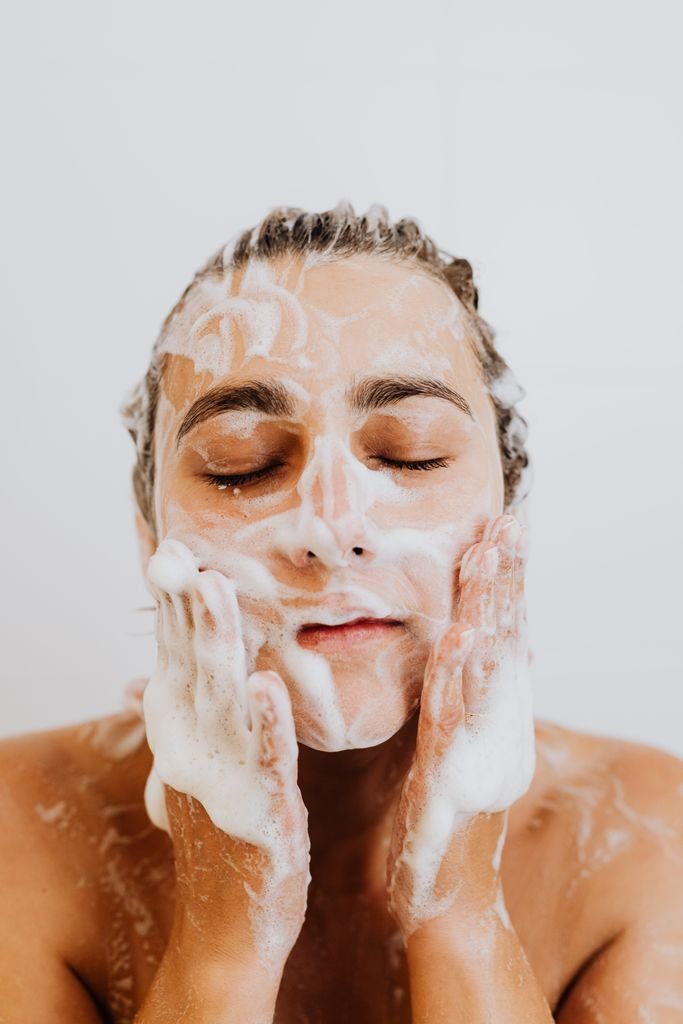
Step 1 — Cleanse gently with lukewarm water and pat dry
Wash with a mild cleanser and lukewarm water for 30 to 60 seconds, using only your fingertips. Hot water strips skin and increases redness, and a rough scrub can tear the surface over the spot. Rinse, then pat dry with a clean towel — your treatment and patch must reach skin, not makeup and the day’s oil.
Step 2 — Calm the swelling with a clean, cold compress
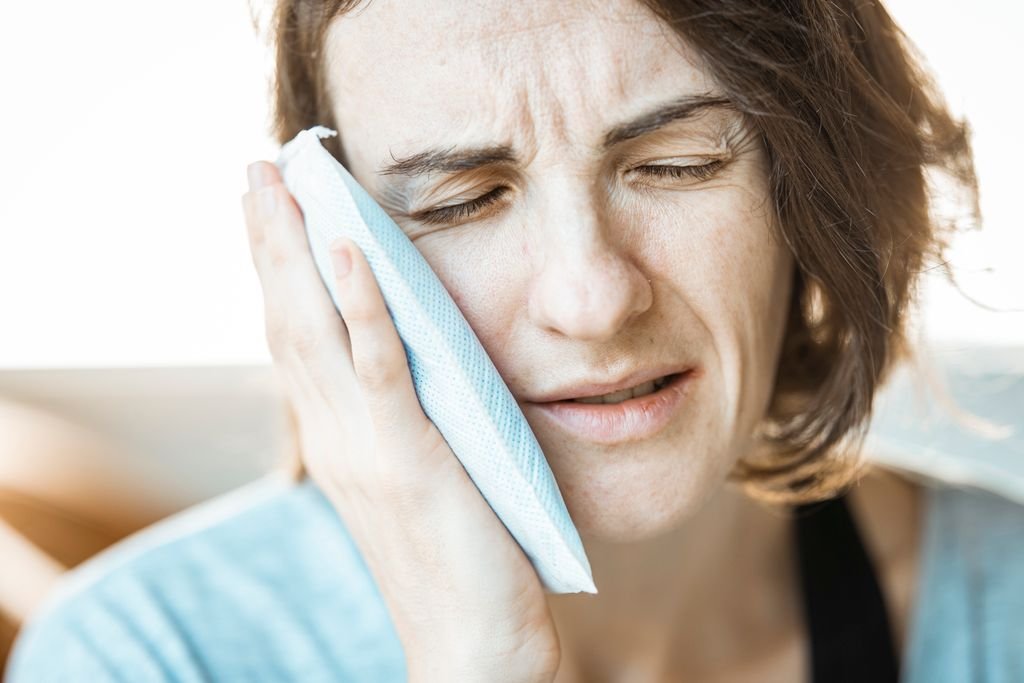
Wrap ice cubes, or a bag of frozen peas, in a clean soft cloth. Hold it against the spot for a few minutes, lift away for a minute, then repeat once or twice — never press ice directly onto bare skin. The cold narrows the tiny blood vessels near the surface, one of the simplest answers to how to reduce pimple redness fast. It will not clear the pore, but it often takes the swollen look down a level.
Step 3 — Hands off: why touching, pressing or popping makes it last longer
This step sounds like doing nothing, but it saves you. Fingers carry oil and bacteria, and pressing breaks the pore wall under the skin, spreading inflammation and raising the chance of a scar or dark mark. From now until morning, the spot is a look-but-do-not-touch zone.
Choose One Spot Treatment — and Only One
Pick one active ingredient, use a small amount, and stop there. Stacking strong products does not clear a spot faster; it usually causes peeling and extra redness. Guidance from the American Academy of Dermatology points to the ingredients below as the proven options for acne, so choose by spot type and skin type.
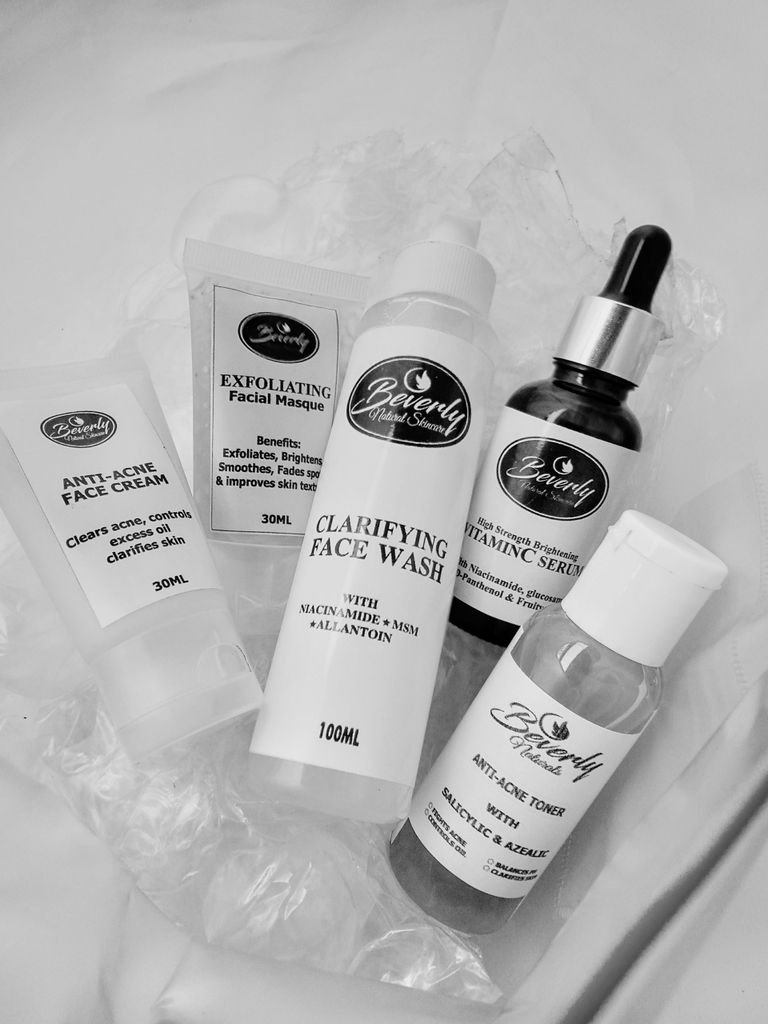
Benzoyl peroxide for bacteria-driven spots
A benzoyl peroxide spot treatment reduces bacteria inside the pore and helps clear the blockage, so it suits red, inflamed spots. For overnight use, choose a low strength, around 2.5%, which dermatologists note can work as well as higher strengths with less dryness. Caution: it can bleach pillowcases, so let it dry fully or use a white one, and it can be drying on sensitive skin.
Salicylic acid for clogged, oily pores and sensitive skin
Salicylic acid for pimples is a favourite for whiteheads and oily or combination skin. It is oil-soluble, so it can move into the pore and loosen the oil and dead skin clogging it. A low-strength gel or cream, around 0.5% to 2%, is a sensible overnight choice, and many sensitive skin types find it gentler than benzoyl peroxide. Stop if it stings more than a brief tingle.
Sulfur for oil-absorbing, gentler drying
Sulfur is an older, quieter ingredient that absorbs excess oil and dries out surface spots — a good pick if benzoyl peroxide feels too strong. The smell is not lovely, but for one night on one spot, most people do not mind. Follow the product’s timing rather than leaving a wash-off mask on all night.
Diluted tea tree oil as the natural option
Tea tree oil has mild antibacterial properties, but must always be used diluted — buy a product made for skin, or mix one drop into a little plain moisturiser. Never apply it neat, patch-test first, and skip it if your skin is very sensitive.
How to apply: pea-sized amount, on the spot only
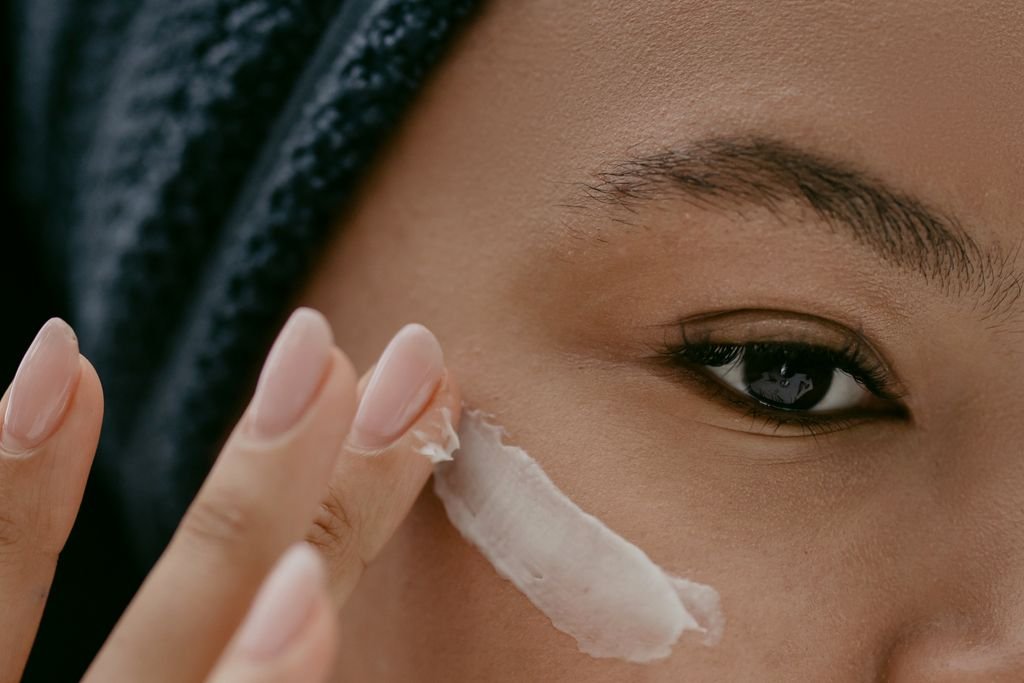
This is Step 3 of tonight’s plan in practice: apply one spot treatment to the spot only. With a clean fingertip or cotton bud, dot a pea-sized amount or less onto the pimple and a tiny margin around it. Spreading strong actives across your whole face only dries out healthy skin. Let it absorb for a few minutes first.
Step 4 — Place a Hydrocolloid Patch Over the Spot
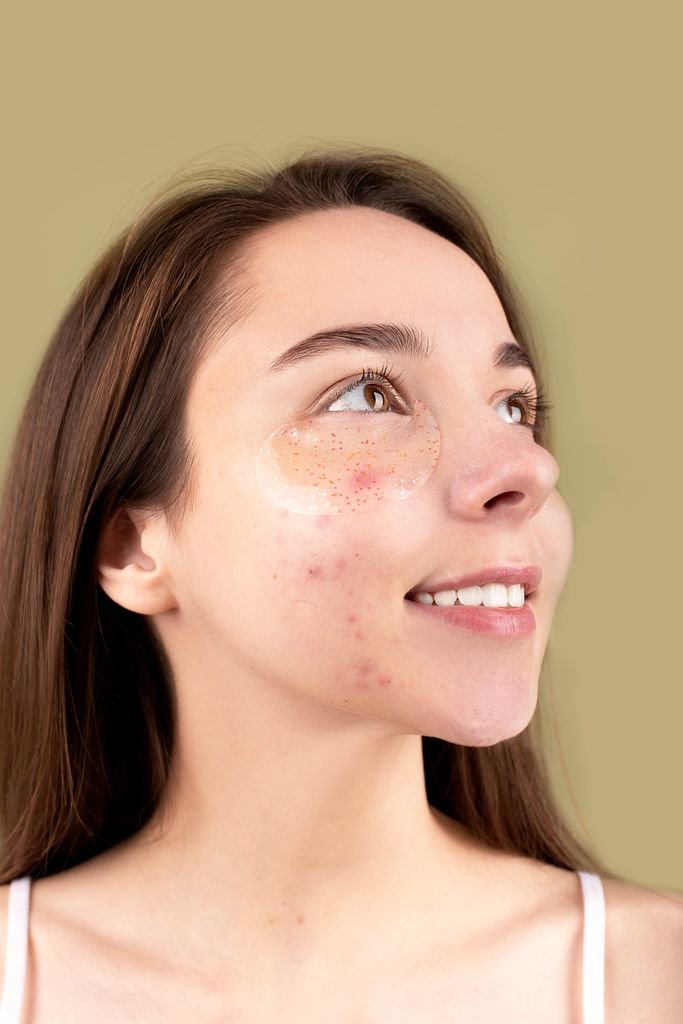
For a whitehead, this is the closest thing to a secret weapon. A hydrocolloid patch is a small, clear sticker made from a gel-forming material first used in wound care. Wearing a pimple patch overnight draws fluid out of the whitehead, keeps it covered so it can settle, and stops you picking in your sleep.
Apply it after your spot treatment has dried, or alone on clean, dry skin — patches stick best with no cream underneath. Press the edges down to seal it. In the morning, a patch turned cloudy white has absorbed fluid: exactly what you want to see. Peel it off slowly, then cleanse gently. Patches do little for cystic spots or blackheads, since there is no surface fluid to draw out.
Step 5 — Moisturise the Rest of Your Face (Yes, Really)
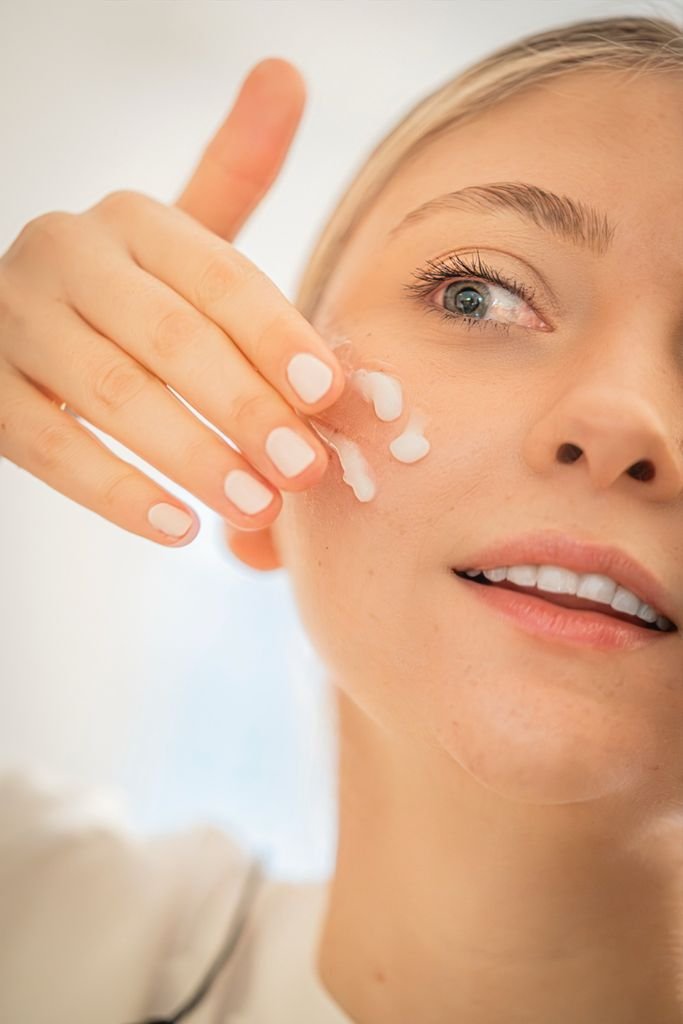
Skipping moisturiser is a common reason skin looks worse by morning: too-dry skin feels tight and irritated, and often produces more oil to compensate. Apply a light, fragrance-free, non-comedogenic moisturiser — made not to clog pores — over the rest of your face, keeping it just off the treated spot or patch. Gels suit oily and combination skin; dry skin may prefer a light cream. Calm, hydrated skin is also the principle behind a simple overnight glow routine, and your whole face looks fresher, not just the spot.
Step 6 — Sleep with a Clean Pillowcase and Your Hair Off Your Face
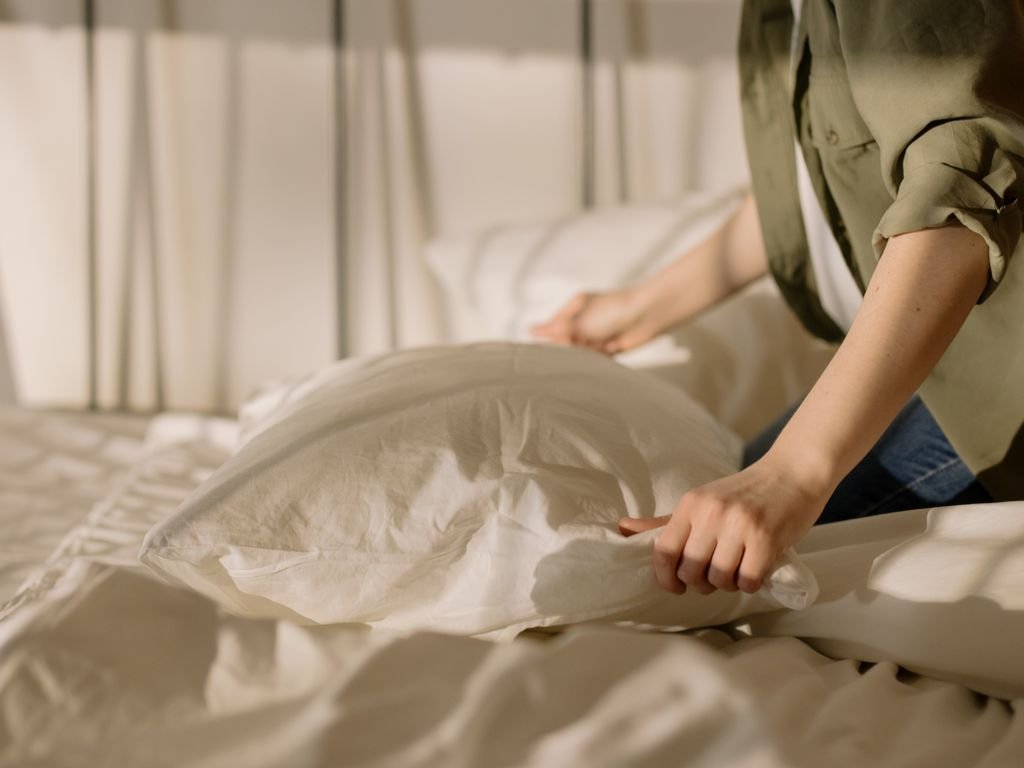
Skin repairs itself during sleep, so set the night up in its favour. Start with a clean pillowcase: pillowcases collect oil, sweat, and hair products through the week, and your cheek rests in that mix for hours. Tie long hair back loosely so it stays off your face, and sleep on your back, if you can, to keep the spot off the pillow.
Popular “Quick Fixes” to Skip Tonight
Toothpaste, lemon juice and rubbing alcohol — why they irritate
Toothpaste is made for teeth, not skin, and commonly causes burning and peeling. Lemon juice is highly acidic and can make skin sensitive to light, risking worse marks. Rubbing alcohol strips the skin barrier, leaving the area dry and still clogged. None of these clear the pore.
Stacking three or four actives at once
Layering benzoyl peroxide, salicylic acid, retinol, and a scrub in one night is a fast route to a red, flaky face that looks worse in photos than the original pimple. One treatment, used correctly, always wins tonight.
One more time: do not pop it
Popping rarely empties a spot cleanly, often pushes the contents deeper, and is a leading cause of acne scars and dark marks. If a whitehead opens on its own under a patch, cleanse gently and let it be — your hands should not do that job.
The Morning After: Cleanse, Check, Cover
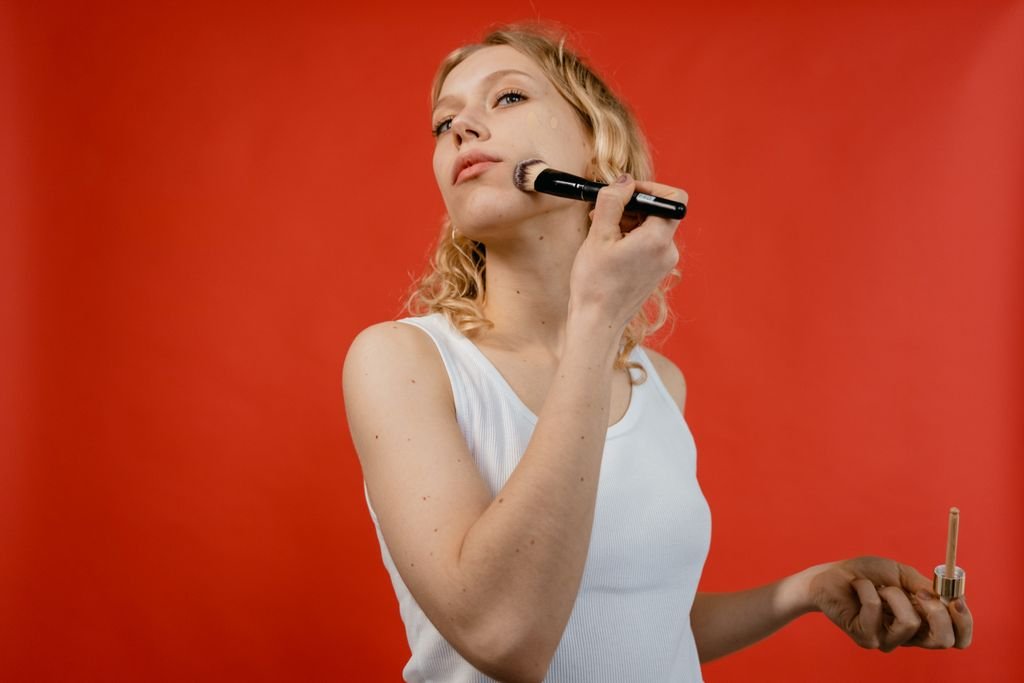
Gentle morning cleanse and what progress actually looks like
Remove the patch if you wore one, then cleanse gently and check the spot honestly. Real progress: the bump feels flatter, soreness has eased, and redness has faded from bright to soft pink. That is a good result.
Covering leftover redness with light layers and a green colour-corrector
Thin layers beat one thick one. Start with moisturiser, then dab a tiny amount of green colour-corrector on the pink area only — green visually cancels red. Let it settle, then pat concealer over it with a clean fingertip or sponge, and set with a whisper of powder. Heavy, caked coverage draws the eye; light coverage lets people notice your face, not the spot. Pair it with a routine to wake up with brighter, calmer skin for the biggest difference on mornings like this.
A Simple Daily Routine That Stops the Next One Forming
Tonight was emergency care. Stopping the next breakout is slower and simpler: cleanse twice a day, moisturise daily even if your skin is oily, and wear sunscreen in the morning, since sun darkens leftover marks. For those marks and uneven tone, patience matters most, and our guide to ways to fade a tan and even out skin tone gently covers the gradual approach. Change your pillowcase at least weekly, keep hands off your face, and clean phone screens and makeup brushes regularly. Give any new routine six to eight weeks before judging it. A small overnight kit of patches and a spot treatment also makes thoughtful mini self-care sets for friends who love skincare.
When an Overnight Fix Is Not Enough — See a Dermatologist
Book a dermatologist if breakouts are frequent, deep and painful, or leaving scars or dark marks — or if over-the-counter care has not helped after several weeks. The American Academy of Dermatology notes that dermatologists can offer prescription treatments that work far better for moderate to severe acne than anything sold for overnight use — and getting treatment early prevents scars.
FAQs
Can a pimple really disappear completely in one night?
Usually, no. A small whitehead can sometimes flatten almost fully overnight with a patch or spot treatment, but most pimples need a few days to clear completely. What one night can realistically do is reduce swelling, calm redness, and make the spot easier to cover — which, before an important day, is often enough.
Do pimple patches work on deep, cystic spots?
Not really. Patches draw fluid from surface spots like whiteheads; cystic spots sit too far under the skin, with no surface fluid to absorb. A patch can still stop you touching one, but cold compresses, gentle care, and dermatologist advice are the better route.
Should I use ice or heat on a new pimple?
For a new, red, swollen pimple, choose cold: a clean, cloth-wrapped cold compress for a few minutes calms swelling and redness. Warmth can increase redness, so cold is the safer pick for a calmer spot by morning.
Conclusion
When a breakout shows up at the worst moment, remember the calm plan: cleanse gently, calm it with a cold compress, use one spot treatment only, add a patch if it is a whitehead, moisturise the rest of your face, and sleep on a clean pillowcase. That gives you the best honest chance to shrink the spot and fade the redness by morning, without damaging your skin. Once the emergency has passed, follow how to make your skin glow overnight to turn one good night of skincare into a regular habit.
A gentle six-step evening routine to calm a breakout and wake up to calmer skin.
Cleanse gently with lukewarm water and pat dry
Wash with a mild cleanser and lukewarm water for 30 to 60 seconds, using only your fingertips, then pat dry.
Calm the swelling with a clean, cold compress
Hold a clean, cloth-wrapped cold compress against the spot for a few minutes.
Apply one spot treatment to the spot only
Use a pea-sized amount of one spot treatment, on the spot only.
Place a hydrocolloid patch over the spot
Apply a patch after your spot treatment has dried, or alone on clean, dry skin.
Moisturise the rest of your face
Use a light, non-comedogenic moisturiser on the rest of your face.
Sleep with a clean pillowcase and your hair off your face
Start with a clean pillowcase and keep your hair off your face overnight.