Cute Tennis Hairstyles: 17 Court Looks That Survive Three Sets
It is break point, the rally is stretching long, and one loose strand keeps falling across your eyes. That tiny distraction is exactly what good court hair is designed to prevent. The best cute tennis hairstyles are not just pretty in the team photo — they are built around the two things tennis actually demands: a visor that stays exactly where you put it, and hair that clears your swing from the first serve to the final point.
This guide gives you 17 hairstyles for tennis players, organised by how they work rather than how they photograph: ponytails by height, braids matched to how long you play, buns and low styles that live happily under a visor, and quick practice-day options. Pick well once, and your hair stops being a variable in your game.
Start With the Visor: How Headwear Chooses Your Hairstyle
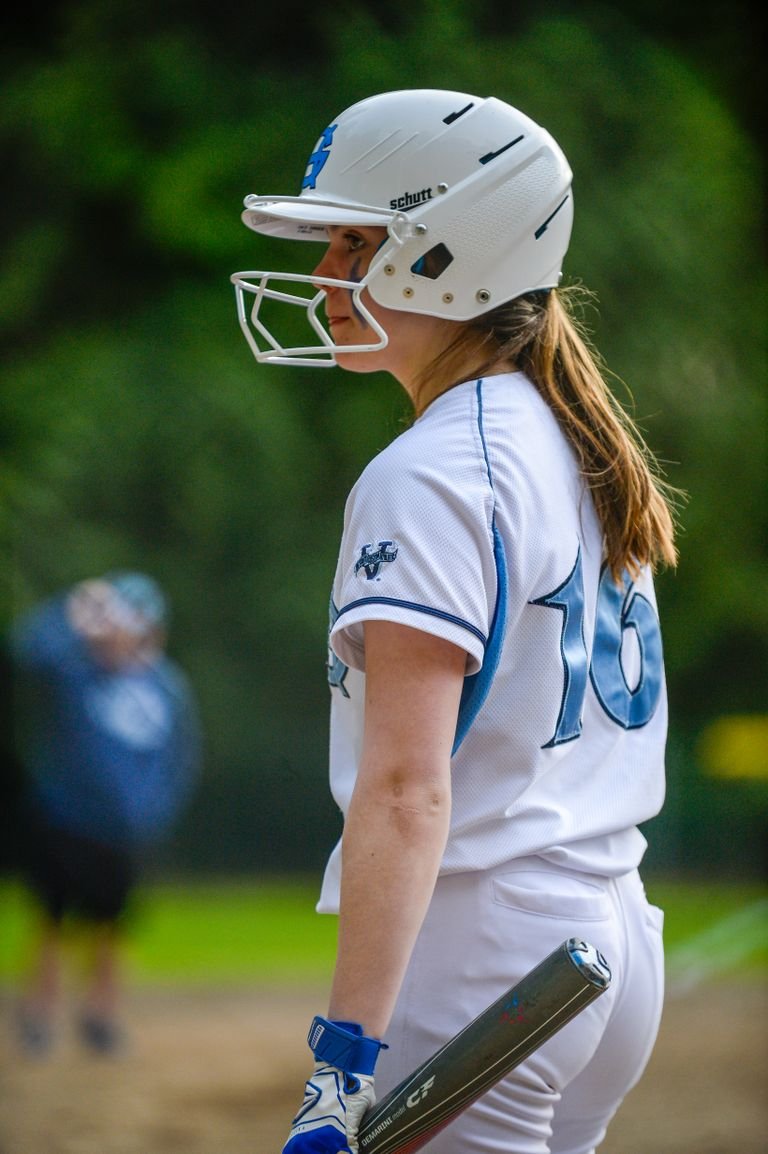
On a tennis court, your headwear is decided before your hairstyle is. There is no helmet to fit under — that is the other racket-and-field problem, solved by softball hairstyles built for helmets and double-headers. Tennis has the opposite puzzle: nothing holds your hair down for you, and the sun is on your head for hours. So start with what you wear on top, then choose the style underneath it.
Low styles for visor wearers — nothing that pushes the band forward
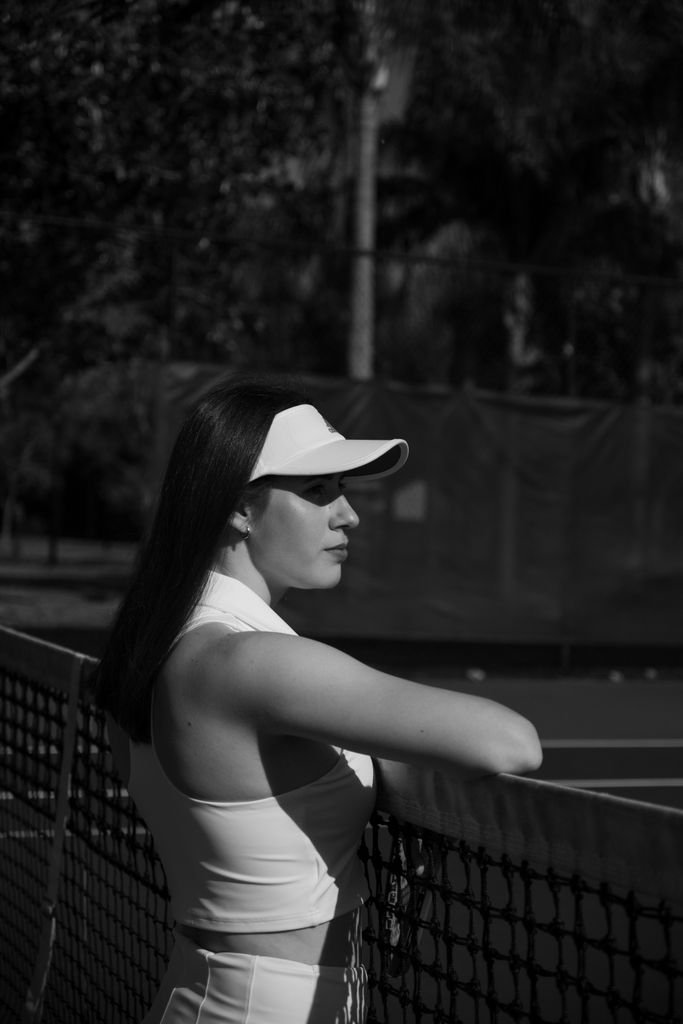
A visor band sits across the forehead and around the head at roughly ear height. Anything bulky at the crown or the back — a high ponytail base, a top bun, a thick braid knot — pushes against that band and walks it forward until it tips over your eyes. Visor wearers should keep the architecture low and flat: low ponytails, low buns, and braids that start at the hairline and run down the back. The band then grips hair and head, not a lump of elastic.
Cap wearers — the ponytail-through-the-back rule
If you prefer a cap, the rule is simple: the ponytail goes through the opening at the back, and the opening decides the height. A mid-height ponytail threads through cleanly and the cap’s strap hides the elastic. Wear the pony too high and the cap rides up; too low and the strap rubs the base all match. Braids work under caps too, as long as they leave the back panel flat — a single braid down the centre back is the classic pairing.
No headwear — headband and hairline control instead
Some players skip headwear entirely, especially indoors or on cloudy days. Then the headband does the visor’s job: it holds the hairline down, catches the first sweat before it reaches your eyes, and keeps baby hairs out of your sight line. Pair it with any ponytail or braid in this guide. A smooth, gel-touched hairline under the band stops the fuzzy halo that appears by the second set.
The Ponytail Lab: Height Is a Performance Choice
The tennis ponytail looks like one hairstyle, but height changes everything: how much it swings, how it works with a visor or cap, and how long it stays tight. Think of these four as settings on the same tool.
Classic high ponytail with a wrapped base
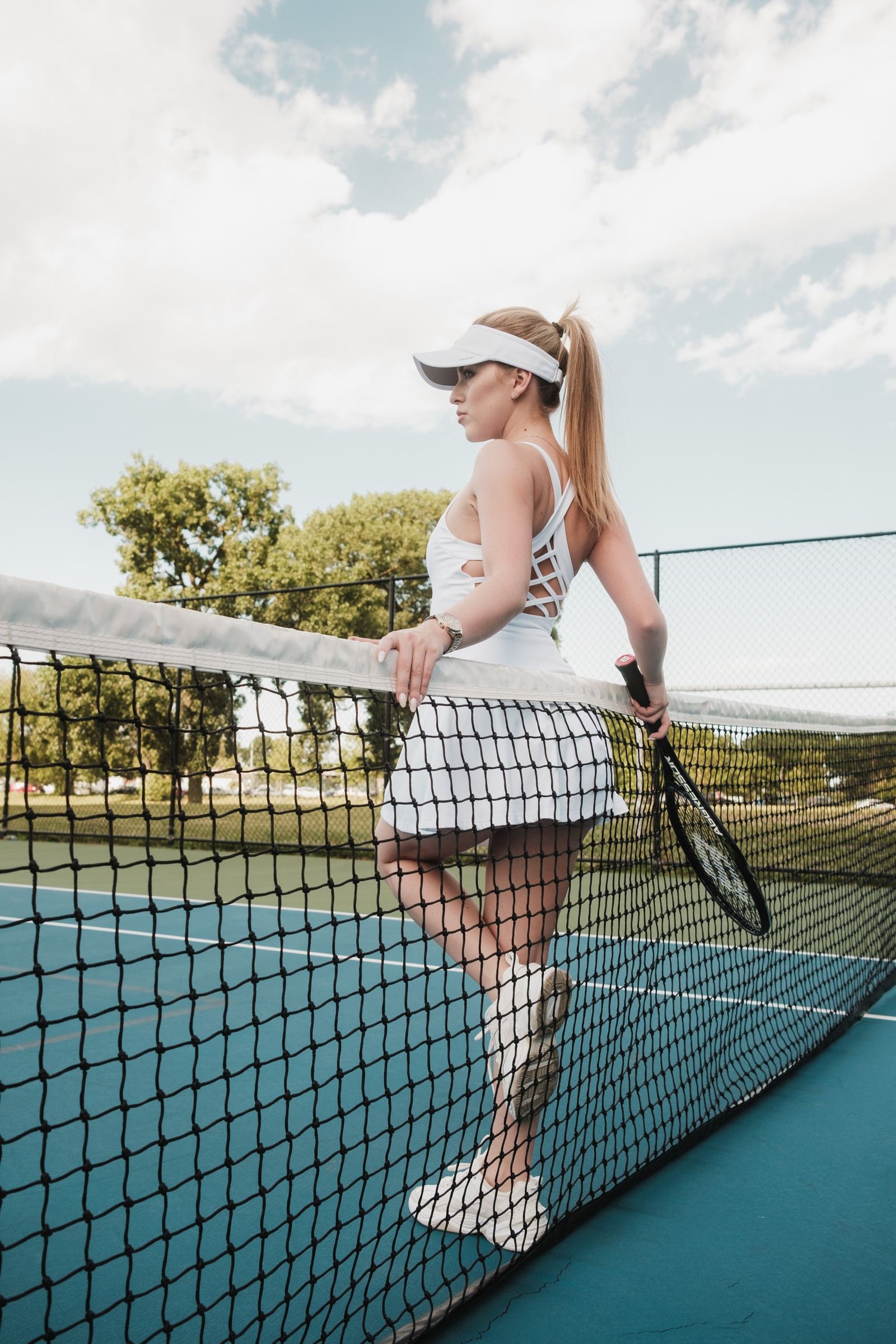
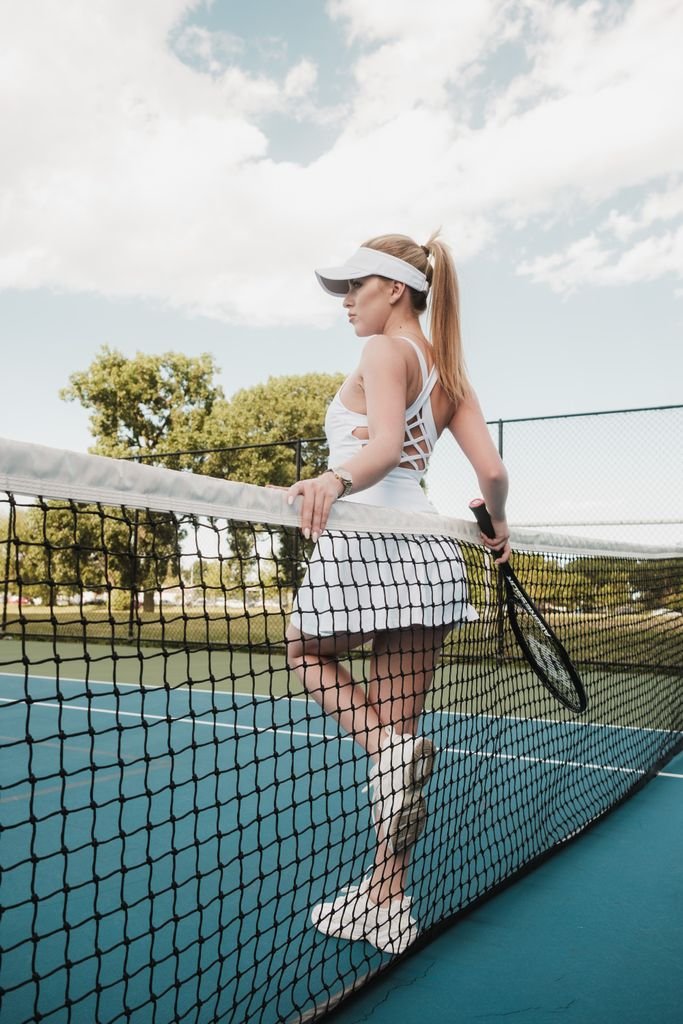
The signature look of the sport. Gather hair at the crown, secure it high, then wrap a thin strand around the elastic and pin it underneath. The wrap is not just decoration — it hides the band and adds a layer of grip. A high pony swings freely behind you, keeps your neck cool in the heat, and stays clear of your shoulders through serves and overheads. It suits straight, wavy and curly hair alike, and it is the fastest full style in this guide: two minutes, once practised.
Braided ponytail for rallies that loosen a plain one
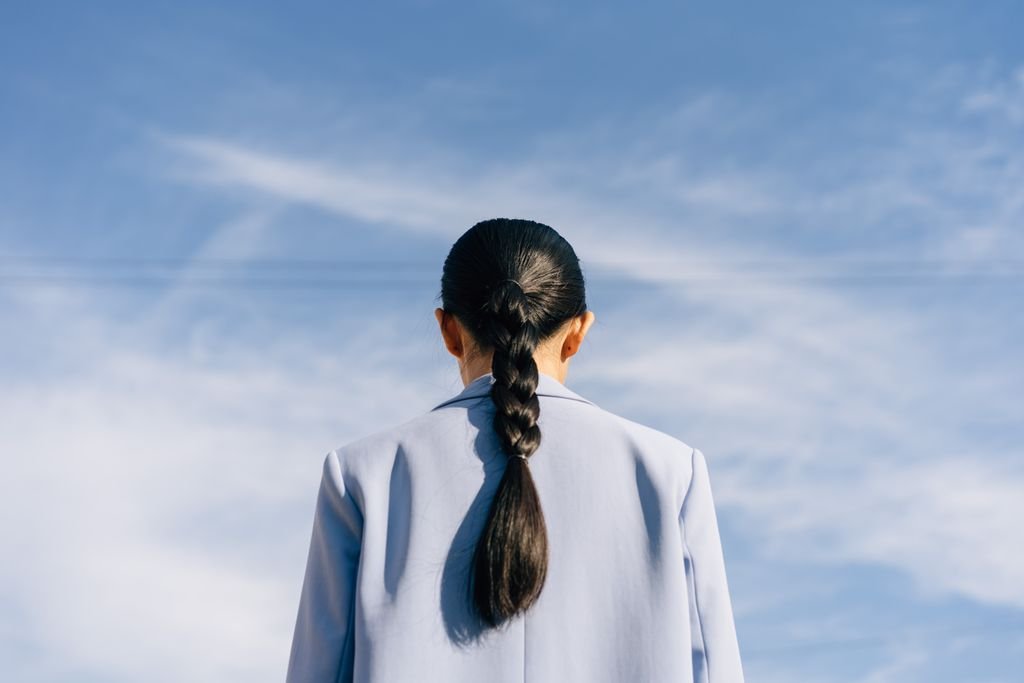
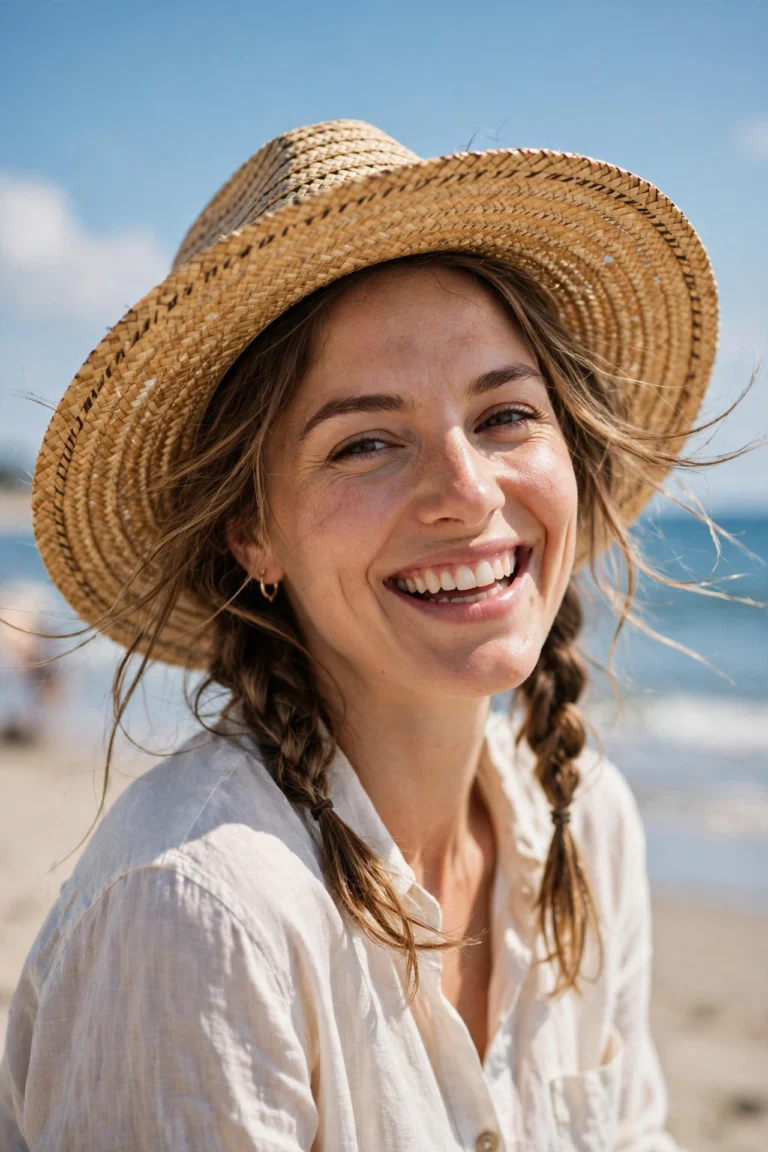
If your plain ponytail is a loose, swinging rope by the middle of the second set, braid the length. A simple three-strand braid down the ponytail stops the strands sliding against each other, so the whole style holds its shape through long rallies. It also stops the ends whipping across your back and arms on windy days. This is the easiest upgrade in the article — same base, one extra step, far longer hold.
Knotted ponytail — the mid-match droop fix
For hair that slides no matter what the elastic promises, tie the ponytail itself into a knot. Split the pony into two sections, knot them once (twice for very long hair), then secure the ends with a small elastic below the knot. The knot physically locks the hair, so droop has nowhere to start. It looks intricate, takes ninety seconds, and is a favourite rescue style when a plain ponytail has already failed once that day.
Sleek low ponytail for club-polished days
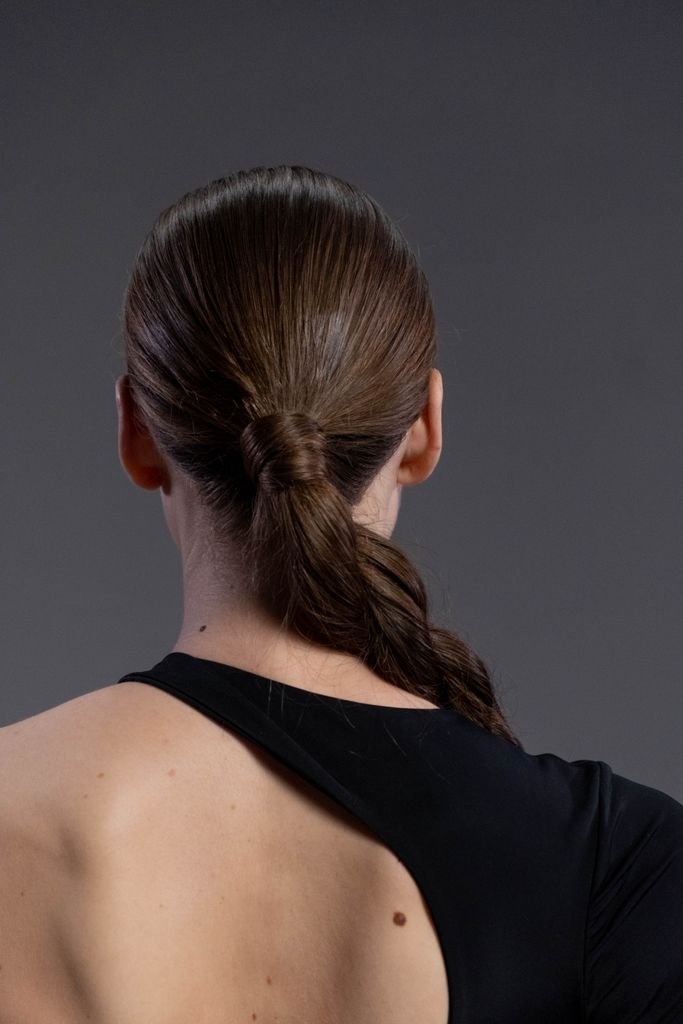
The low pony sits at the nape, smoothed down with a brush and a touch of gel at the hairline. It is the look for club days, social matches and any occasion where you want to look deliberate rather than sporty. Keep the part clean and the length smooth, and it reads as polished even after three sets — and it works beautifully under a visor, since nothing sits above the band.
Braids, Matched to How Long You Play
Tennis braid hairstyles are the hold champions of this guide. A braid distributes weight across the scalp, locks the ends in place, and barely moves through hours of play. Choose your braid by how long you will be on court: a single braid for an hour of hitting, two braids for a full match, and the tightest styles for tournament weekends.
French braid — the layered-hair catcher
The French braid is the answer for layered hair, because it picks up every shorter layer as it goes and leaves no flyaways at the nape. Start at the crown and feed sections in as you plait down the back. It lies flat enough for a visor, holds through long rallies, and comes out with gentle waves if you leave it in after the match.
Dutch braid — raised, striking, visor-flat at the front
The Dutch braid is the French braid’s inside-out twin: instead of crossing strands over, you cross them under, so the braid sits raised on top of the hair. It looks more dramatic and, crucially, keeps the front hairline perfectly flat — ideal under a visor band. One Dutch braid down the back is a striking, secure choice for a full match.
Two French braids for thick hair and three-set days

Splitting the hair into two braids halves the weight each braid carries, which is why this style survives three sets on thick hair that defeats a single braid. Part down the middle, braid each side from the hairline to the ends, and secure with small elastics. The symmetrical look is also the most photogenic style in this guide — a bonus for team photos.
Boxer braids for tournament weekends

Boxer braids are two tight Dutch braids, plaited close to the scalp from hairline to ends. They are the most secure style in this guide — nothing moves, nothing loosens, and they survive a whole tournament weekend without a redo. Braid them the night before, sleep in them, and wake up match-ready. For the neatest finish, keep the parts straight and the tension even on both sides.
Fishtail braid — effort looks, honest effort
The fishtail looks intricate but uses only two sections, crossing small pieces from each side to the other. The result is a flat, woven braid that lies close to the head and holds well through long matches. It takes a little longer to plait than a three-strand braid, so save it for days when you have ten unhurried minutes before you leave — the payoff is a style that looks far more elaborate than it is.
Buns and Low Styles for Visor Wearers
When the visor goes on, low styles win. A bun at the nape keeps the neck cool, clears the band entirely, and never swings into your eyeline. These are the styles for players who want to forget about their hair completely once the match starts.
Firm low bun — clean, cool neck, zero visor clash
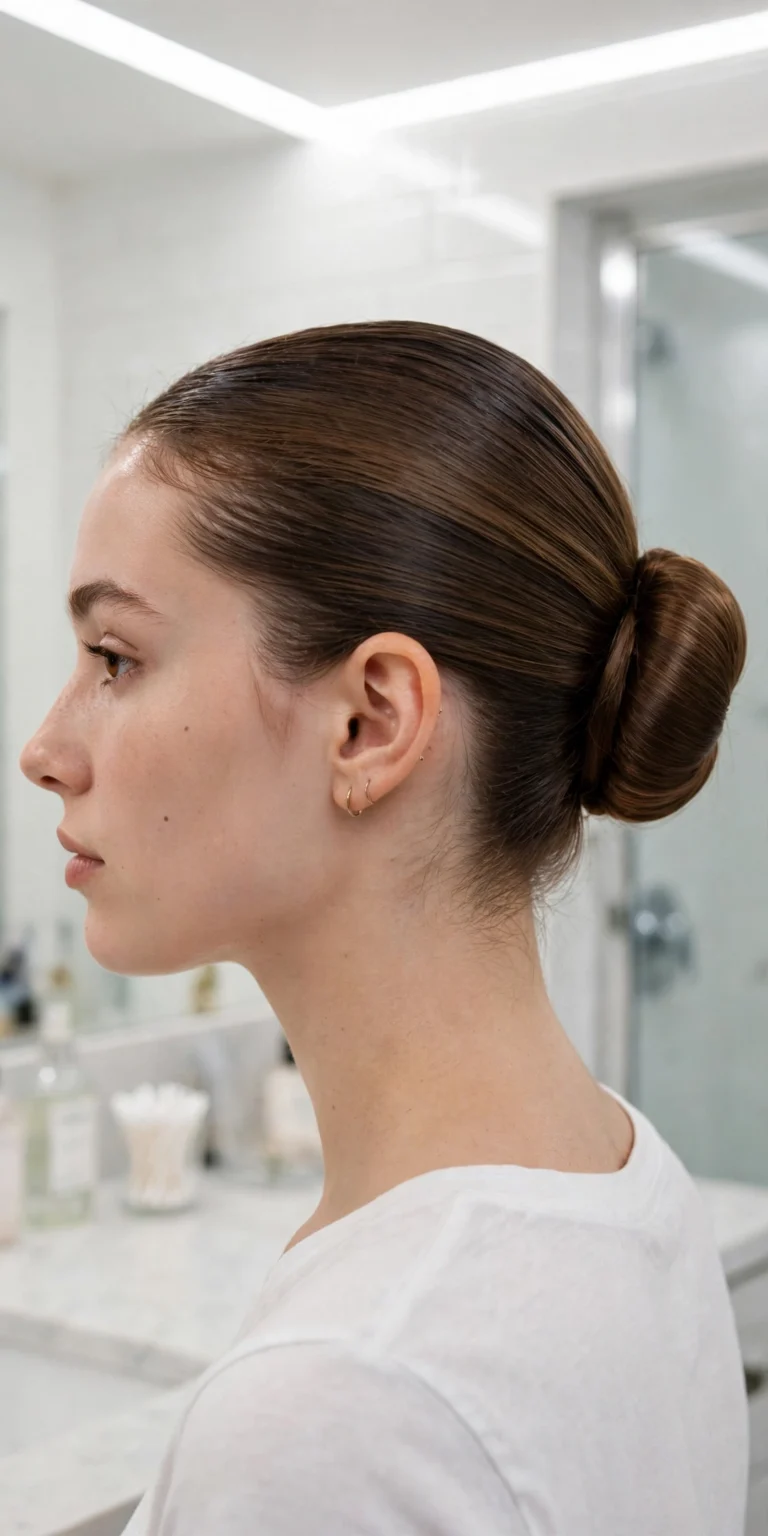
The firm low bun is the simplest style in this guide: gather hair at the nape, twist it into a coil, and pin it flat. It sits below the visor band, keeps the neck bare and cool, and works for every hair length that reaches a ponytail. For extra hold, braid the ponytail before coiling it — the braid grips the pins and stops the bun sagging.
Twisted low bun — the rope trick that holds tighter
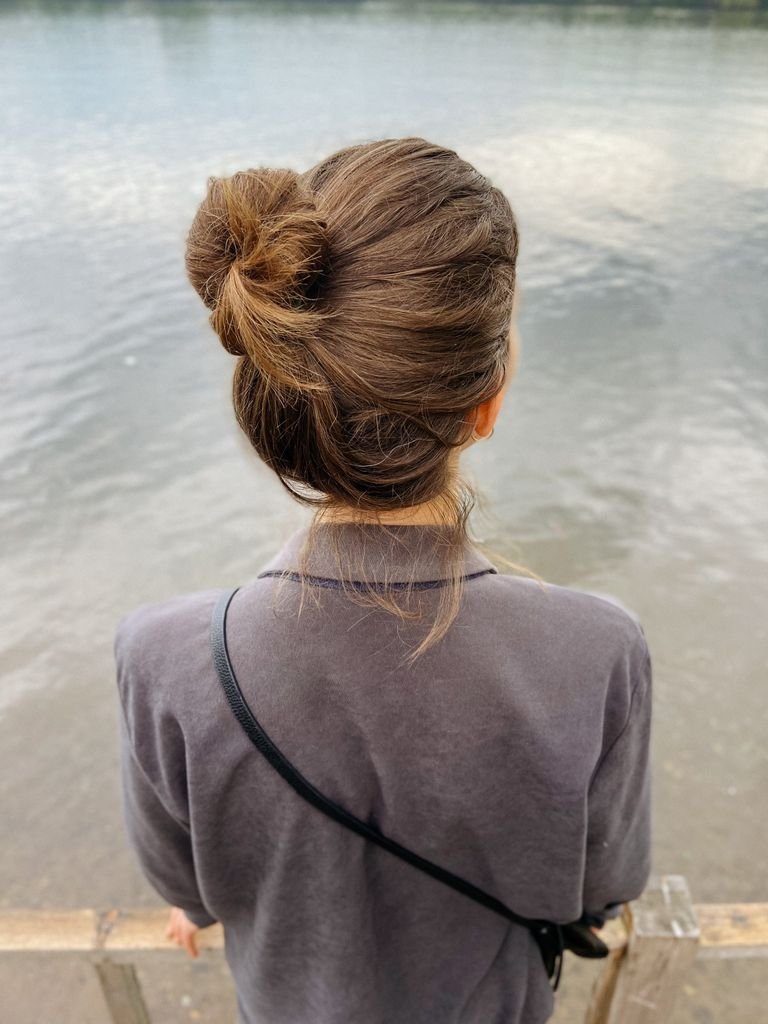
Split the low ponytail in two, twist each section into a rope, then wind the two ropes around each other and pin. Twisted sections grip each other, so this bun holds noticeably tighter than the plain version — the one to choose if buns usually unravel on you by the second set. It also looks woven and deliberate from behind, which makes it a strong doubles-and-team-day choice.
Braided low bun — where the braid and the bun team up
Braid a low ponytail first, then coil the braid into a bun and pin it. The braid stops the bun from loosening strand by strand, so this is the most secure bun here — the one for players whose hair is long, heavy and determined to escape. It takes an extra two minutes and repays them in a style that needs no attention until you take it down.
Bun plus visor, positioned step by step
Placement is the whole trick, and it is simple once you see it. One: finish the bun at the nape, below the line where a headband would sit. Two: put the visor on and settle the band just above your ears, checking that the band never rests on the bun itself. Three: look up and down and shake your head once — the visor should not shift. If the band rides on the bun, the bun is too high; drop it half an inch and the problem disappears.
Short Hair and Practice-Day Styles
Not every court day is a three-set duel, and not every player has braid-length hair. If your hair is short, the cropped cuts in our guide to short choppy cuts that need no styling at all need nothing more than a headband. For bob-length and practice-day hair, these lighter styles earn their place.
Half-up ponytail for shorter hair and light sessions only
Take the top half of your hair into a small ponytail and leave the rest down. It keeps the front — the part that matters for seeing the ball — fully controlled, and it works on bobs and lobs that cannot manage a full high pony yet. Be honest about its limits, though: the loose half will stick to a sweaty neck in a long match. This is a practice, coaching-session and social-hitting style, not a match style.
Headband plus ponytail — the two-step combo
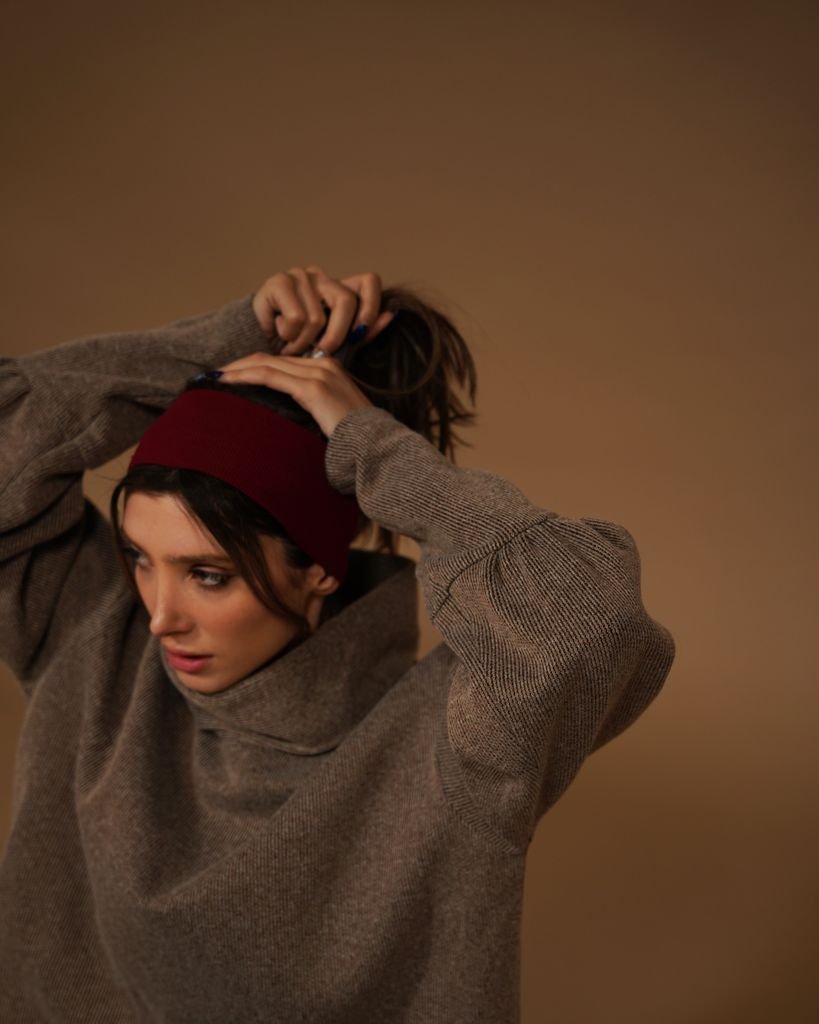
The fastest cute hairstyle for a tennis match in this whole guide: ponytail of your choice, then a headband over the hairline. The band catches flyaways and sweat, the ponytail handles the length, and together they look deliberate rather than thrown on. Use a silicone-grip band and it will also rescue any other style in this article — worn over a braid or bun, it is the between-sets insurance policy.
Space buns for casual matches and team days
Two small buns, one on each side, worn high or low. Space buns keep hair completely off the neck and shoulders, they hold surprisingly well because each bun carries only half the hair’s weight, and they bring a playful energy that suits team days, charity matches and casual club play. Keep them low if you wear a visor, high if you do not — the same band rule as every other style here.
Bubble ponytail — playful, and more secure than it looks
Tie a ponytail, then add small elastics every few inches down its length, puffing each section out into a soft bubble. The extra elastics are not just decoration: each one is another anchor point, so a bubble ponytail swings less and slips less than a plain one of the same height. It is a favourite for tennis hairstyles for girls at junior tournaments — quick, secure and unmistakably fun.
Cornrows for textured hair and zero daily styling
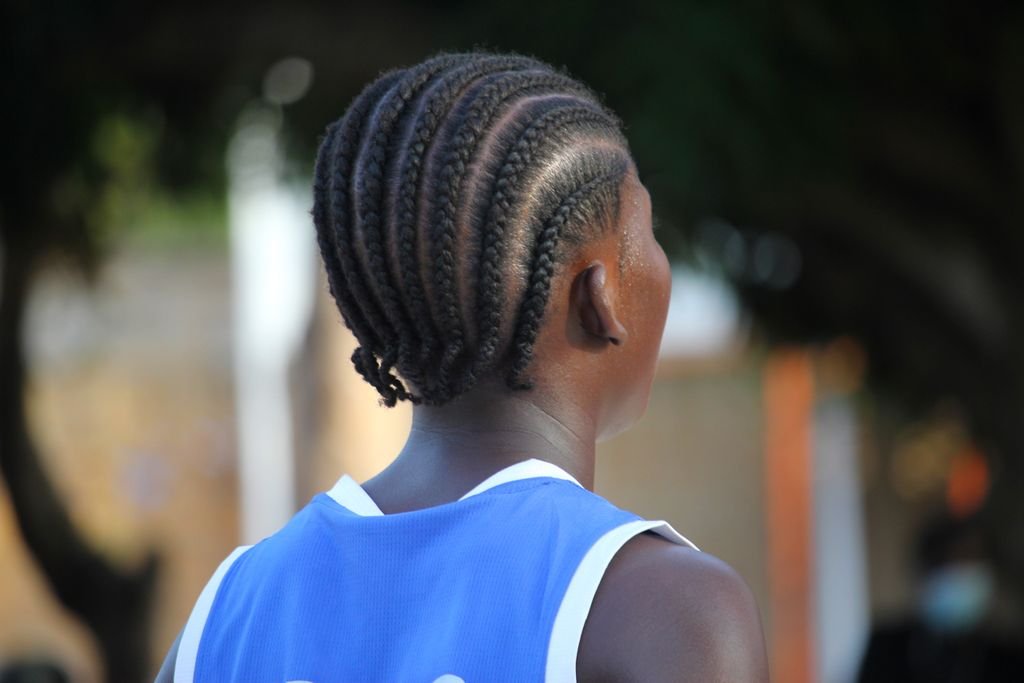
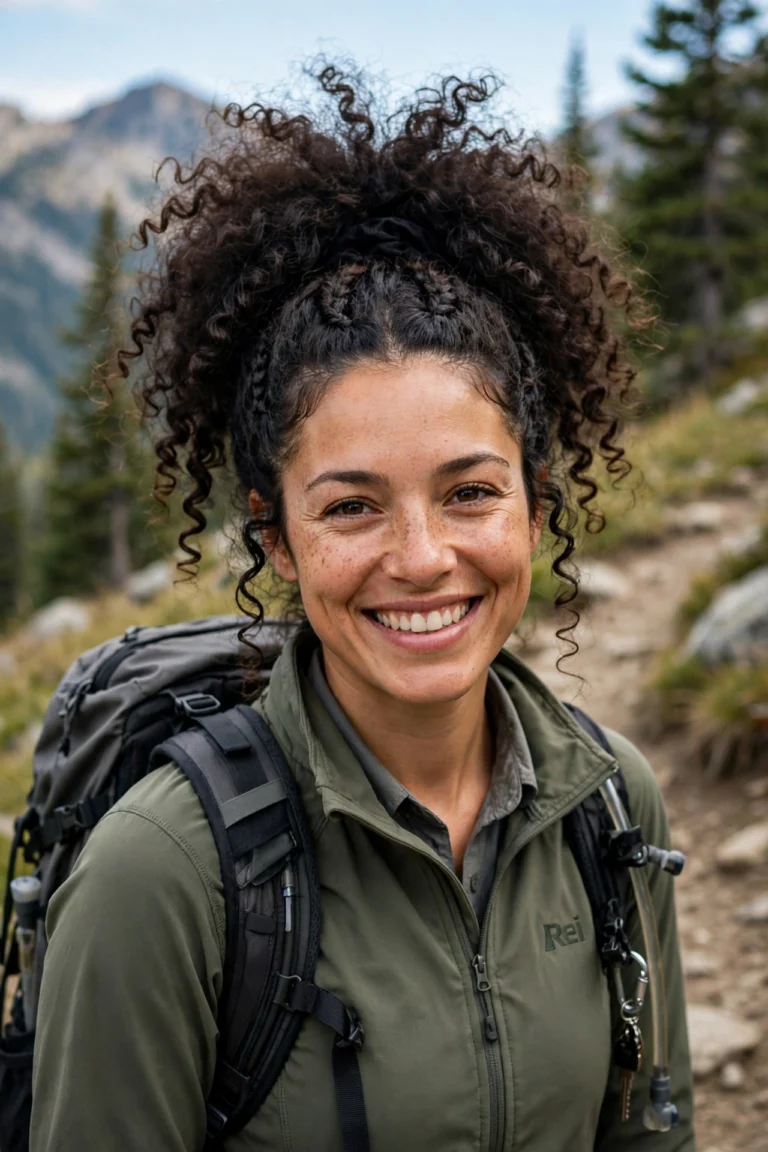
Cornrows braid the hair flat against the scalp in neat rows, and once they are in, court hair is solved for one to two weeks: no daily styling, no elastics to snap, no ends whipping in the wind. They sit flat under a visor or cap, protect natural texture from sun and friction, and can be gathered into a low ponytail or bun for variety. For readers who love wearing their texture proudly off court too, our guide to curly hairstyles shaped around natural texture is full of ideas for in-between styles.
Sweat, Sun and the Third Set
By the third set, the enemy is not the opponent’s backhand — it is heat. A few small systems keep your hair (and you) comfortable when the match runs long:
- Silicone-grip headbands stay put on sweaty foreheads where cotton bands slide. Keep one in your bag even if you do not start the match wearing it.
- Finish light, not strong. A light-hold spray or a pea of smoothing cream at the hairline is enough. Heavy, stiff sprays fail badly in heat: they melt, drip and glue stray hairs to your face.
- Protect your part line. The strip of scalp where your hair parts is one of the most sun-exposed spots on your body during a midday match. A dab of sunscreen along the part, or a cap instead of a visor on high-UV days, prevents a painful burn — the USTA’s player resources on sun and heat safety are the authority worth reading before summer tournaments.
- The sixty-second reset. Between sets: re-smooth the hairline, re-pin anything loose, swap in a dry headband, shake the ponytail out and re-tie it tight. One minute, and your style starts the next set like it started the match.
Anyone who has styled hair to survive an outdoor summer day will recognise the same rules at work in festival outfits and hair that beat Chicago humidity — grip, lightness and a reset plan beat heavy products every time.
Your Match-Day Hair Timeline
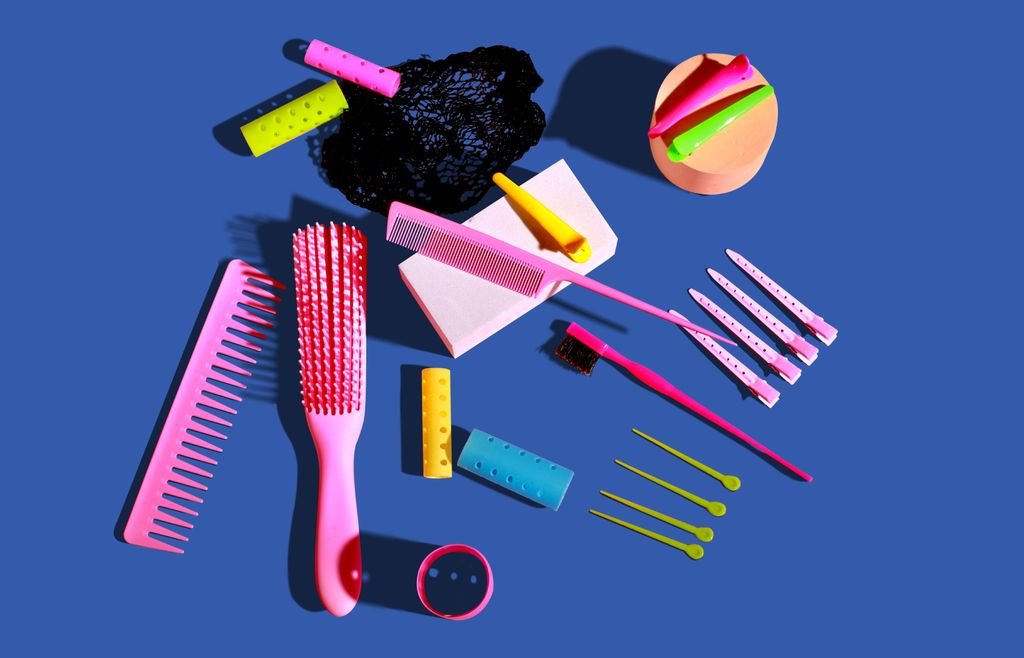
- The night before: Wash-day braids (boxer braids, two French braids, cornrows) go in now — they set overnight and greet you match-ready. Lay out your headband, visor and elastics with your kit.
- The morning of: Ponytails and buns are morning styles — five fresh minutes beats sleeping on them. Eat, hydrate, then style last so nothing loosens while you get ready.
- In the tennis bag: Two spare elastics (they snap at the worst moments), bobby pins, a mini brush, a spare headband, a small towel and sunscreen. That is the entire hair kit — it weighs almost nothing.
- After the match: Take braids and buns down gently rather than ripping elastics out, and let your scalp breathe. Styles that held all day have earned a careful release — snapping bands through tired hair is where breakage happens.
FAQs About Cute Tennis Hairstyles
What hairstyle do most tennis players wear?
A high or mid ponytail is the most common choice, because it keeps hair off the neck and out of the swing. For longer matches, many players upgrade to a braided ponytail or a full braid, which holds for three sets without a redo.
How do I keep a visor from sliding off?
Wear it over a low, flat style or a smooth hairline — never over the base of a high ponytail, which pushes the band forward with every step. A silicone-grip headband under the visor, or an adjustable strap worn snug just above the ears, stops most sliding.
Why does my ponytail fall out by the second set?
Usually the elastic is doing all the work alone. Smooth, heavy or freshly washed hair slips against a plain band as you run. Use a grip or spiral elastic, cross two bobby pins under the base, or switch to a braided or knotted ponytail, which locks the length in place.
What is best for thick or curly hair on court?
Styles that spread the weight: two French braids, boxer braids or cornrows. They keep thick and curly hair secure without one overloaded elastic, protect the ends, and need no restyling between sets. A low twisted bun also works well under a visor.
Can I wear my hair half-down for a match?
For light practice and social hitting, yes — a half-up style keeps the front sections controlled. For a real match, the loose length will swing into your eyes and stick to a sweaty neck, so save half-down for practice days and tie or braid everything up for matches.
Conclusion
Court hair comes down to one match style and one practice style. Choose your match style by your headwear and your longest playing day — braids for three sets, a low bun or sleek pony for visor days — and keep a quick ponytail-and-headband combo for practice. Master those two, and the only thing you will be thinking about at break point is the return.