Softball Hairstyles: 18 Game-Day Looks That Fit Under a Helmet
There is a special kind of frustration in fixing your hair in front of the mirror, stepping up to the plate — and feeling it slide loose before the second inning. The best softball hairstyles are not the prettiest ones you can find online. They are the ones still exactly where you put them when the last out is called.
That is because softball asks more of a hairstyle than almost any other sport. Your hair has to sit flat under a batting helmet, stay clear of your eyes while you track a fly ball, and survive dust, sweat, sliding and sometimes two games back to back. A style that looks perfect in the dugout but fails under the helmet is not a game-day style at all.
So every look in this guide is judged by one standard: the helmet test. Below you will find 18 softball hairstyles — flat braids, reinforced ponytails, low buns and protective styles — plus picks by playing position and a tournament-day plan that keeps your hair in from the first pitch to the final inning.
The Helmet Test: Three Rules Every Softball Hairstyle Must Pass
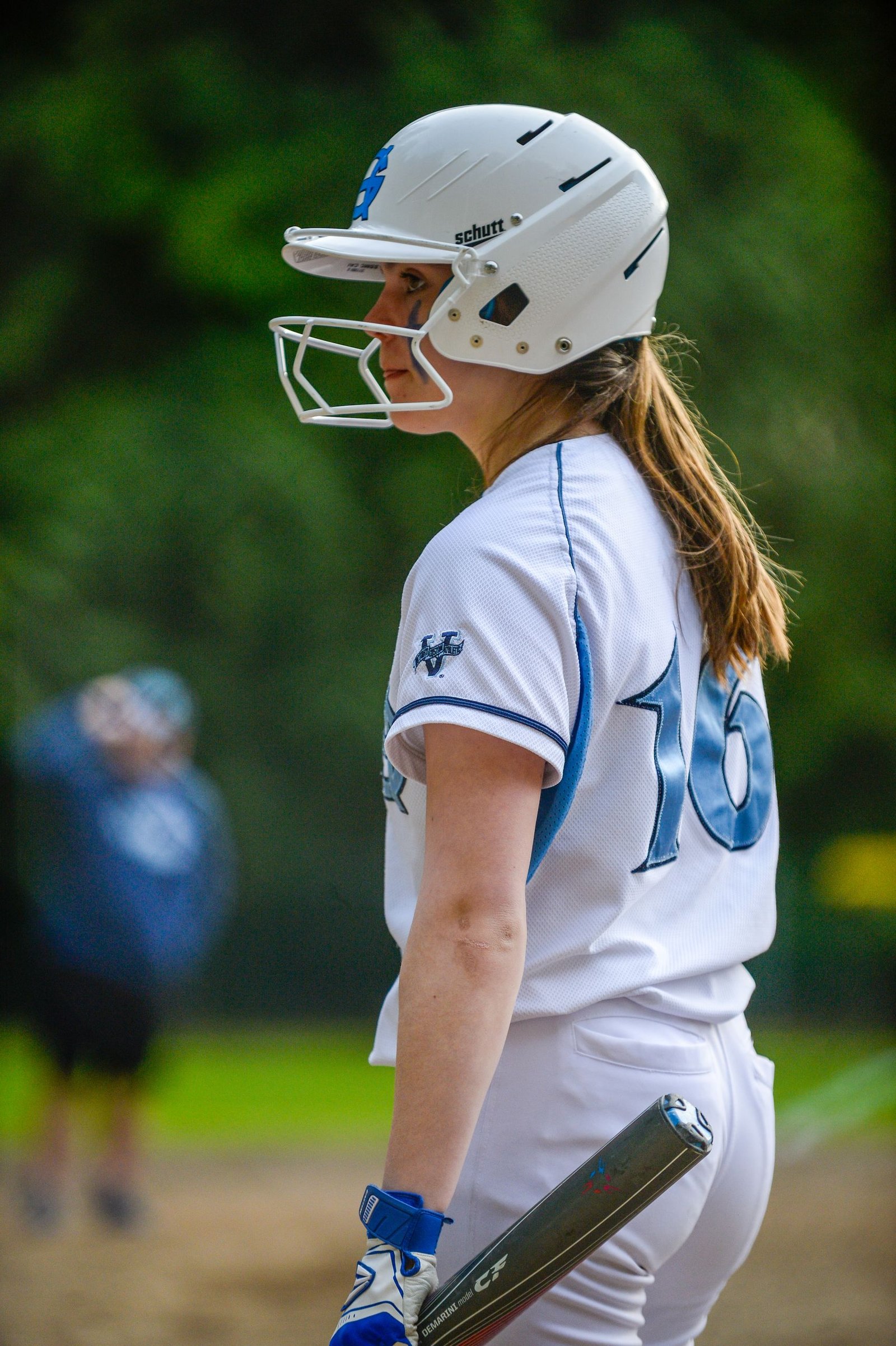
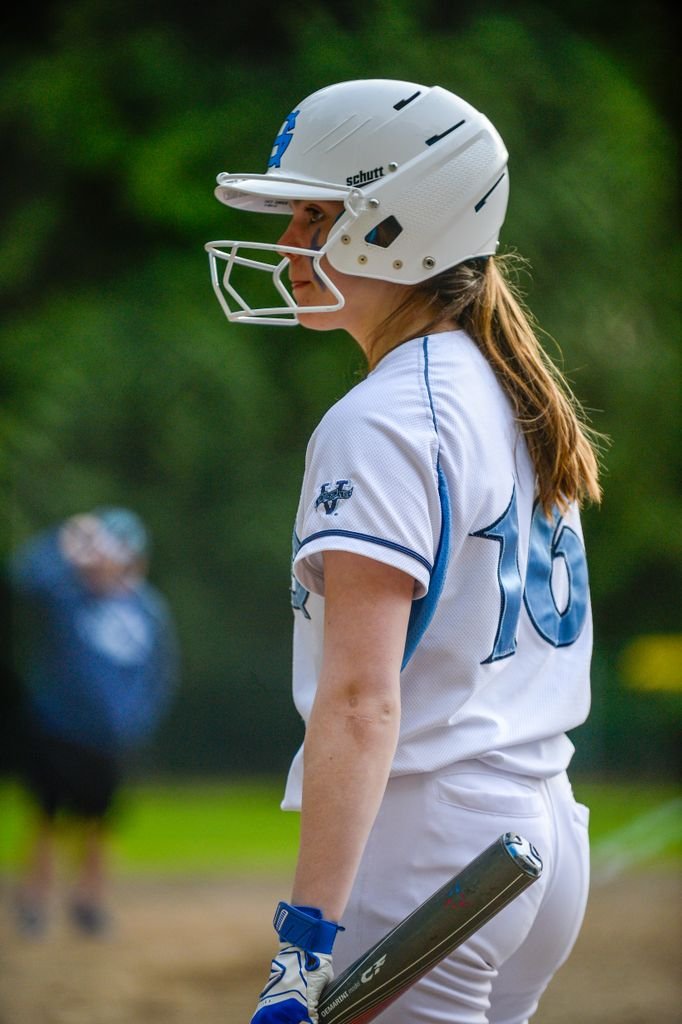
Before the styles themselves, the rules they all follow. A batting helmet is not like a cap. It has to seat securely and evenly on the head, and anything bulky or uneven underneath changes the fit and the comfort. USA Softball’s equipment and helmet guidance is worth reading before the season starts — and always follow your own league’s helmet rules first, because those are the ones that count on the day. Whether you are styling your own hair or doing softball hairstyles for girls on a youth team, these three rules decide what works.
Flat where the helmet sits — no bumps at the crown or nape
A twisted bun on top of the head feels fine until the helmet presses it into your scalp for seven innings. Styles that pass the test keep the crown and the back of the head smooth: braids that run along the head, and buns placed low at the nape, below where the helmet’s shell ends. Do the shake test before you leave home — helmet on, head shake, short jog. If it wobbles, pinches or slides, the style is too bulky, no matter how good it looked in the mirror.
Secured at two points minimum
One elastic is a hope, not a plan. Every reliable style in this guide is anchored twice: an elastic plus pins, an elastic plus a second elastic further down, or a braid finished with its own elastic. The most dependable softball hairstyles with helmet wear all share this double anchor, because the first anchor holds the style and the second one holds the first.
A dugout kit that fixes anything in sixty seconds
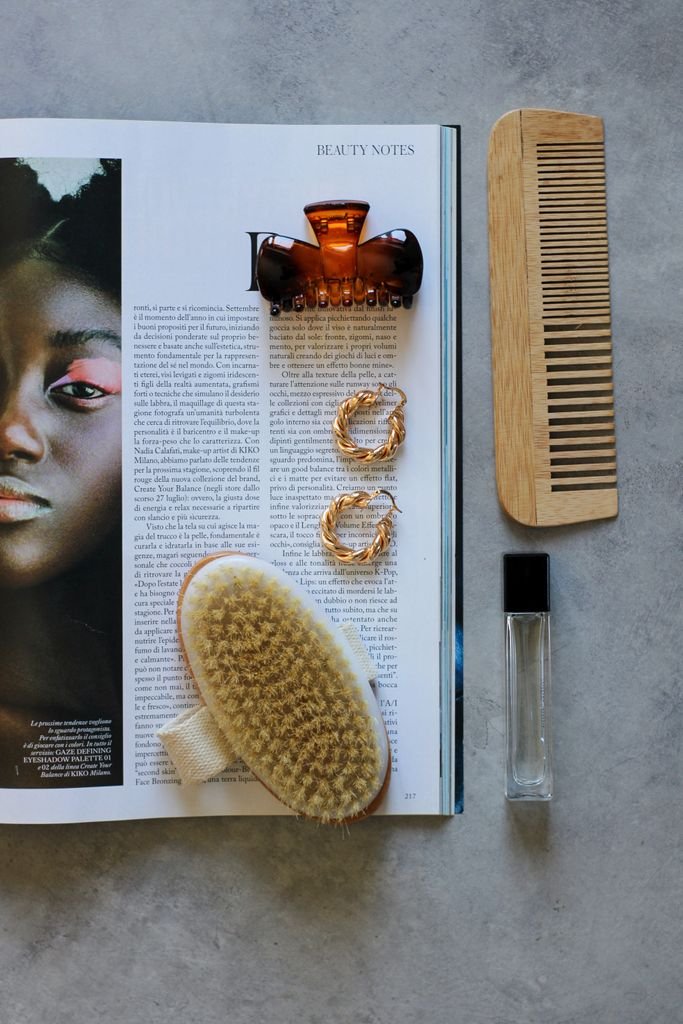
Even the best style may need one quick rescue per tournament. Keep a small pouch in your bag with two sizes of elastics, a strip of bobby pins, a mini brush, a wax stick or small gel for edges, a spare silicone-grip headband and travel-size hairspray. Sixty seconds with that kit fixes a loose braid end, a escaping layer or a fuzzy hairline without a full restyle — and it makes you the most popular person in the dugout.
Flat Braids Built for Helmets
If softball had an official hairstyle, it would be a braid. Softball braids run along the head instead of piling on top of it, the tension is spread over dozens of small sections instead of one stretched elastic, and there are no loose ends to whip into your eyes on a windy outfield day. Start here if you only learn one family of styles.
Single Dutch braid — the flattest single style
The Dutch braid crosses each section under the middle instead of over it, and it runs in one clean line from the hairline straight down the back. That single line is exactly what a helmet wants: no lump at the crown, no knot at the nape, and the tail hangs between the shoulder blades, out of the way of straps and collars. Brush everything straight back, keep the sections snug as you pass the crown, and finish with a small elastic. It takes about five minutes once your hands know the pattern, and it is the style most players in this guide come back to.
French braid for layered hair that escapes ponytails
Layers are the enemy of the ponytail — the short pieces slip out one by one until half your hair is loose. A French braid beats that by gathering the hair gradually: start with a small section at the hairline and add a little more hair with every cross. Short layers get locked in early, before they have the chance to escape. Keep the braid close to the head rather than letting it hang loose from the crown, and mist any fuzzy bits with water or a touch of gel as you go.
Two French or Dutch braids for thick hair, weight shared evenly

Thick hair in a single braid makes one heavy tail that pulls at the scalp and swings like a rope when you run. Splitting it into two braids shares the weight evenly across the head, so nothing pulls, nothing swings as hard, and both sides dry faster after a sweaty game. Part the hair straight down the middle, clip one side away while you braid the other, and keep both braids at the same tightness so the helmet sits level. This is also the kindest option for tender scalps and younger players.
Boxer braids gathered into a low bun for tournament days

Boxer braids are two tight Dutch braids that hug the head from hairline to nape. Take them one step further — cross the two tails at the nape, wrap them into a small flat bun and pin — and you have the heaviest-duty style in this guide. Nothing swings, nothing escapes, and there is no tail at all to catch on a slide. It is the most work up front, around fifteen minutes, but it is the style players choose for tournament days when there will be no time to think about hair at all.
Fishtail braid — the pretty one that still lies flat
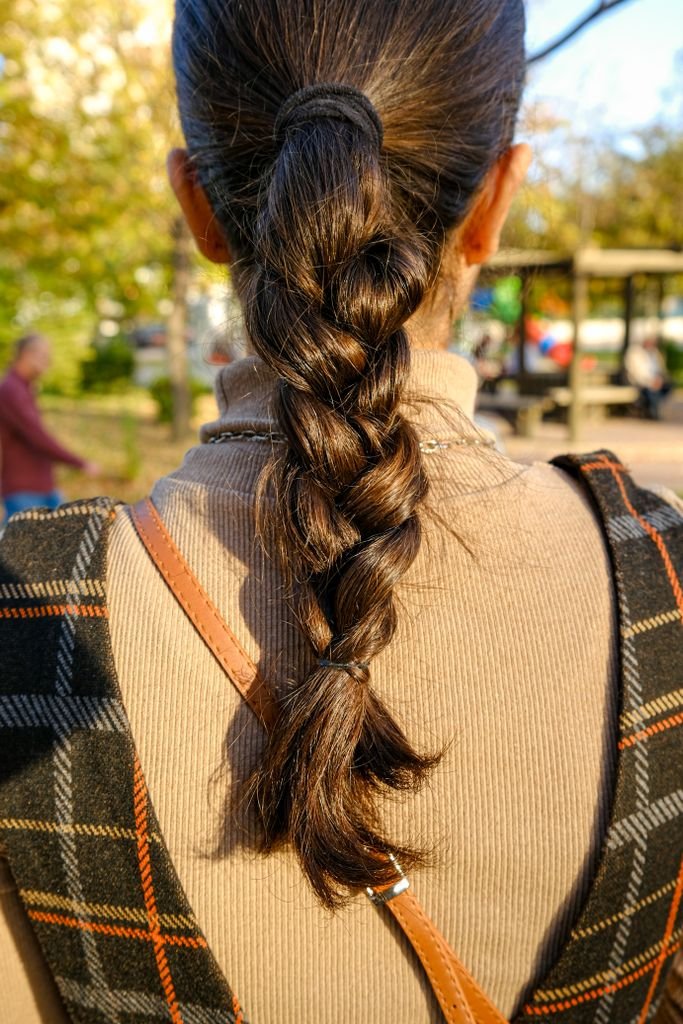
A fishtail uses two sections instead of three, taking small strands from the outside of each and crossing them over. Woven from the crown and kept snug, it lies surprisingly flat and looks far more detailed than it is. Two honest notes: it is slow — allow ten minutes — and it must stay tight. A loosened, “pancaked” fishtail becomes wide and puffy, which is lovely for photos and hopeless under a helmet. Keep it neat on game day and save the relaxed version for the team dinner.
Ponytails, Reinforced
The ponytail is every player’s default, and its only real problem is engineering: one elastic carrying all the weight, all the swinging and all the sliding. These softball ponytail ideas keep the look you love and fix the weak points, so the tail you tie at warm-ups is still there in the seventh inning.
Classic high ponytail, wrapped base, done in a minute
The high ponytail belongs to fielding practice, caps and helmets with a back opening — anywhere the crown height does not fight the helmet. Brush the hair up smoothly, set the elastic as tight as is comfortable, then take a thin strand from underneath the tail, wrap it around the base and pin it underneath. The wrap is not just decoration: it adds friction at exactly the point where a plain elastic starts to travel, so the ponytail drops far more slowly.
Braided ponytail — the fix for ponytails that die by inning three
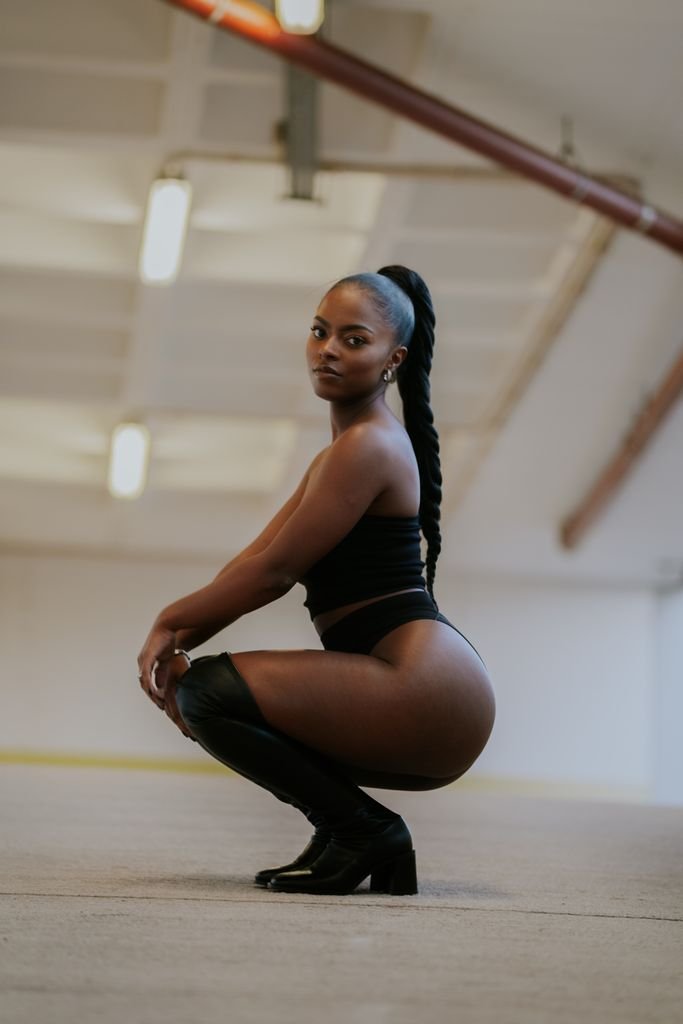
If your ponytail is usually a fluffy mess by the third inning, braid it. Tie the ponytail where you like it — mid-height works best under most helmets — then braid the full length and add a second elastic at the end. The braid stops the tail whipping across your face on the run, stops it tangling around itself, and turns one weak anchor into a structure. Three-strand is fastest; on very long hair it also keeps the tail from slapping your back on every pitch.
Rope braid ponytail — the two-minute twist
Split the ponytail into two sections, twist each one in the same direction, then wind them around each other in the opposite direction and elastic the end. A rope braid takes about two minutes, uses no pins, and sits flatter against the back than a chunky three-strand braid. It is the easiest upgrade on days when you want more hold than a plain tail but have no time for a full braid-up.
Knotted ponytail — thirty extra seconds, noticeably more hold
Here is a trick borrowed from players with very long, slippery hair. Tie your ponytail, split the tail into two equal halves, and tie them in a simple knot — twice if your length allows — then put an elastic just below the knot. The knot behaves like a lock: the tail cannot slide through the base elastic as easily, and the whole thing feels sturdier when you sprint. It works best on hair past the shoulder blades; on shorter hair, a single knot plus pins does the same job.
Sleek low ponytail for a sharp team-photo finish
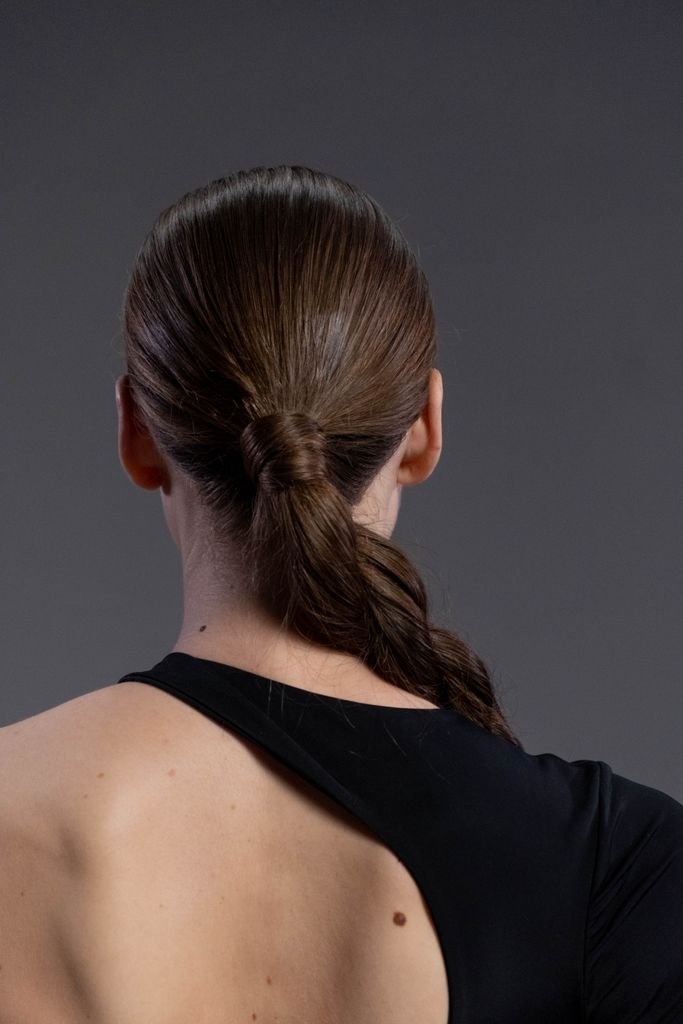
Part the hair cleanly, smooth it down with a brush and a little gel, and set the elastic right at the nape. A sleek low ponytail sits below the helmet line, never fights the straps, and photographs beautifully — which is why it is the go-to for team photo day, award nights and any game where the camera matters. It is also the kindest ponytail for fine hair, because the low position puts the least stress on the hairline.
Buns That Sit Where the Helmet Doesn’t
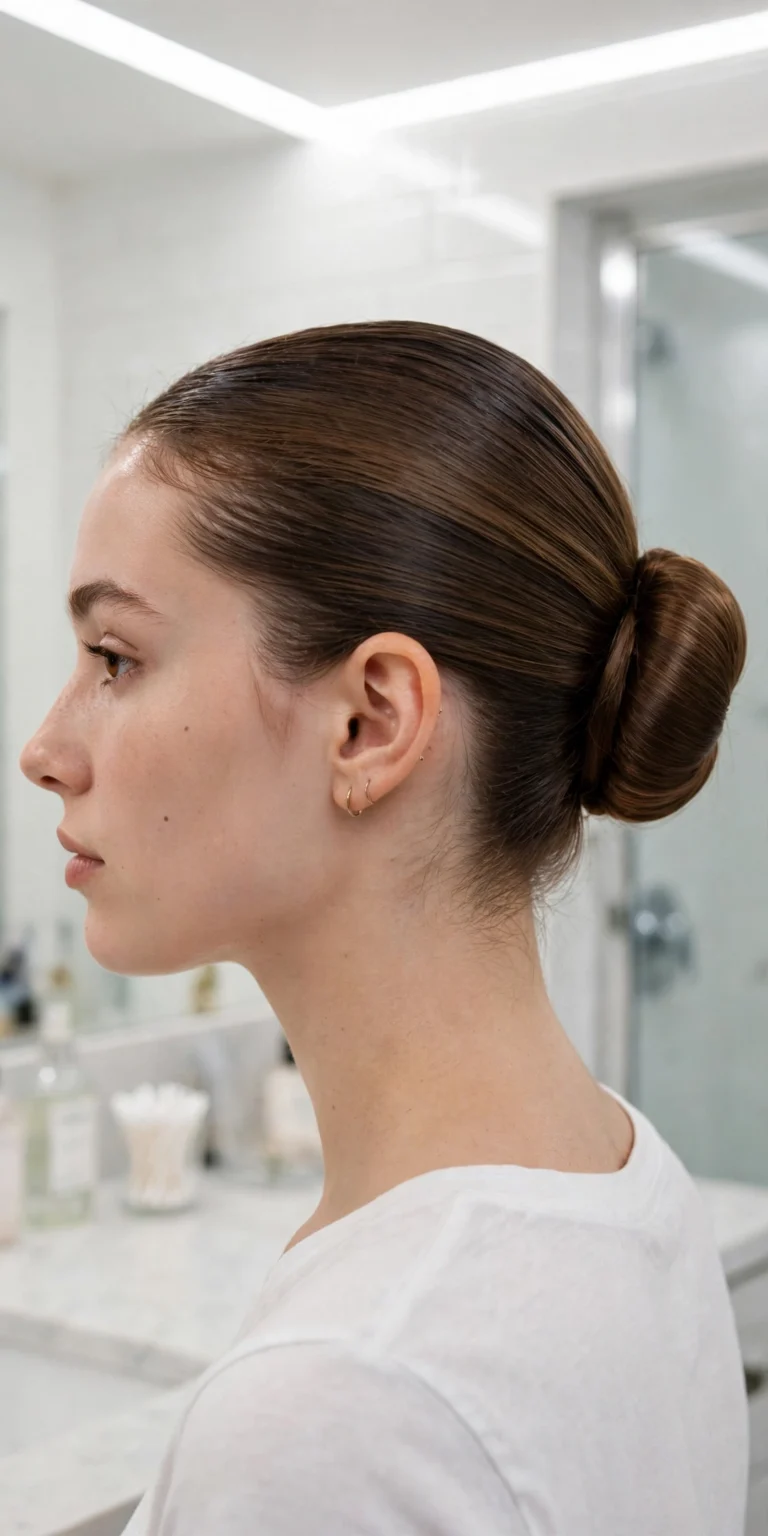
A helmet covers the crown and the sides of the head. The nape is free real estate — and that is where buns belong in softball. It is also why softball hairstyles for long hair so often end in a bun: a low bun quietly swallows a lot of length that would otherwise swing, tangle and collect dust all afternoon.
Low bun at the nape — the most comfortable helmet pairing
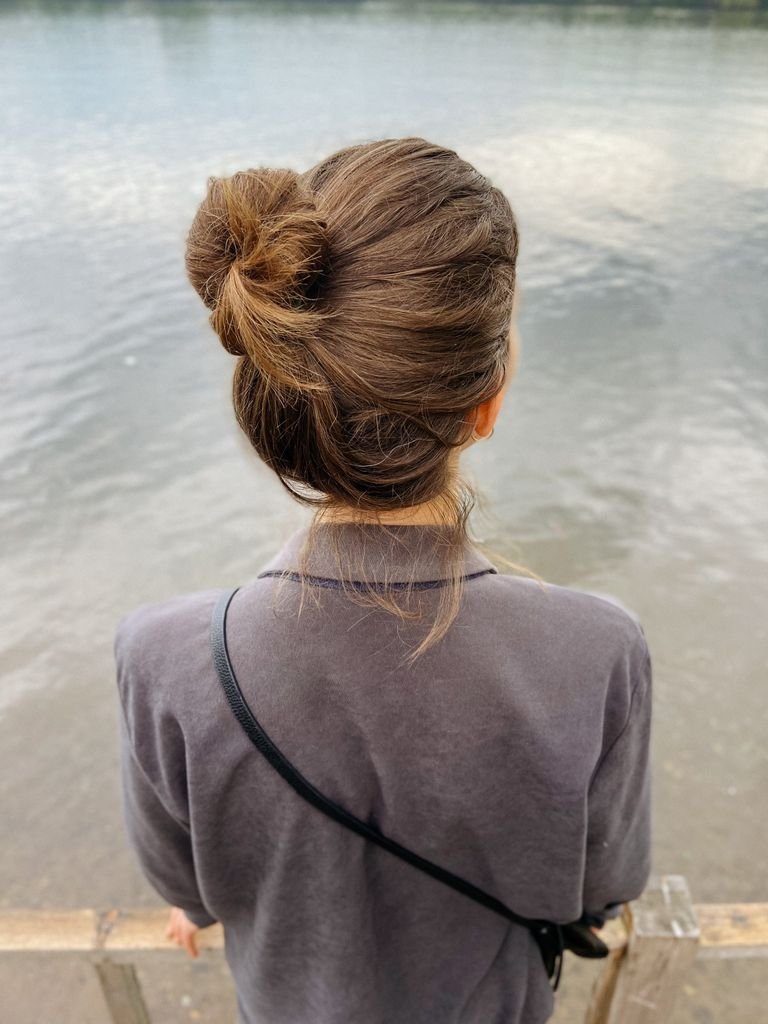
Gather the hair at the nape — not the middle of the head, not high on the crown — twist it loosely and pin it flat. A low bun sits fully below the helmet’s back edge, so the helmet can sit straight and the straps still close properly. Keep it soft rather than pulled tight; a bun that tugs all game becomes a headache by the fifth inning, and a slightly loose low bun stays comfortable while still holding.
Braided low bun — the upgrade that holds through a slide
Braid the hair first — one simple braid down the back — then coil that braid into a bun at the nape and pin it in place. The braid texture grips the pins, so the bun barely moves even through a headfirst slide or a dive for a ball. This is the version experienced players choose for tournament days, when the style has to survive three games, a lunch break and a warm-up before anyone has time to redo it.
Two-minute messy bun for practice mornings
Not every day needs a tournament-level style. For practice, gather the hair into a low ponytail, twist it around its base once or twice, and secure it with a scrunchie and two pins — done in about two minutes, no mirror required. A messy bun is a little looser than the game-day version, but because it sits low and flat it still fits under a helmet without a fight. Save the polished version for game days.
Bun plus silicone-grip headband for flyaway and sweat control
A thin silicone-grip headband worn under the helmet is the quiet fix for two problems: short flyaways that drift into the eyes and sweat that drips down the forehead. The grip strip keeps the band from sliding, and the band keeps the edges neat without needing pins near the face. Pair it with any low bun for hot days and night games under the lights, when sweat and humidity do their worst.
Protective Styles for Tournament Weekends
A tournament weekend is a different hair problem from a single game. You style on Friday, play Saturday and Sunday, sleep in between, and shower in a hotel or a dugout sink if you are lucky. Protective styles solve that problem by keeping the hair braided close to the head for days — and if your hair is curly or coily, the same care ideas in our curly hairstyles and care for natural texture guide apply here too, because keeping the hair moisturised and low-manipulation is what makes a multi-day style survive.
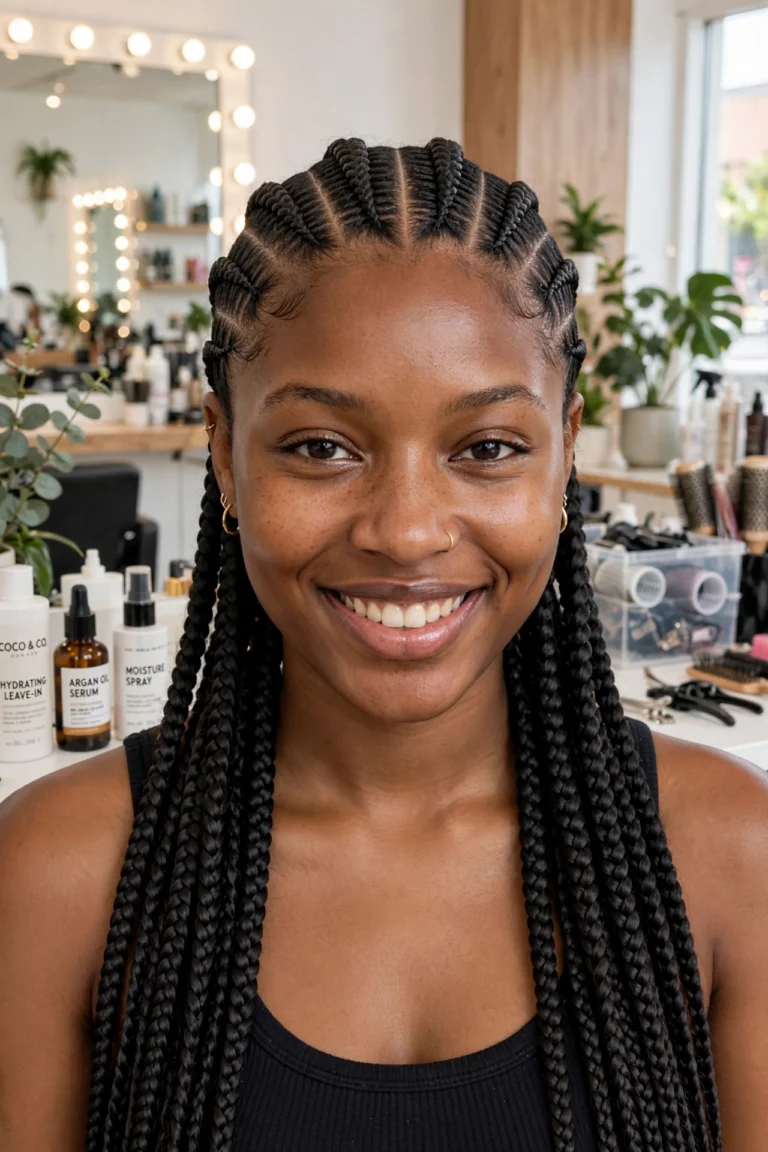
Cornrows — styled once, flat for days
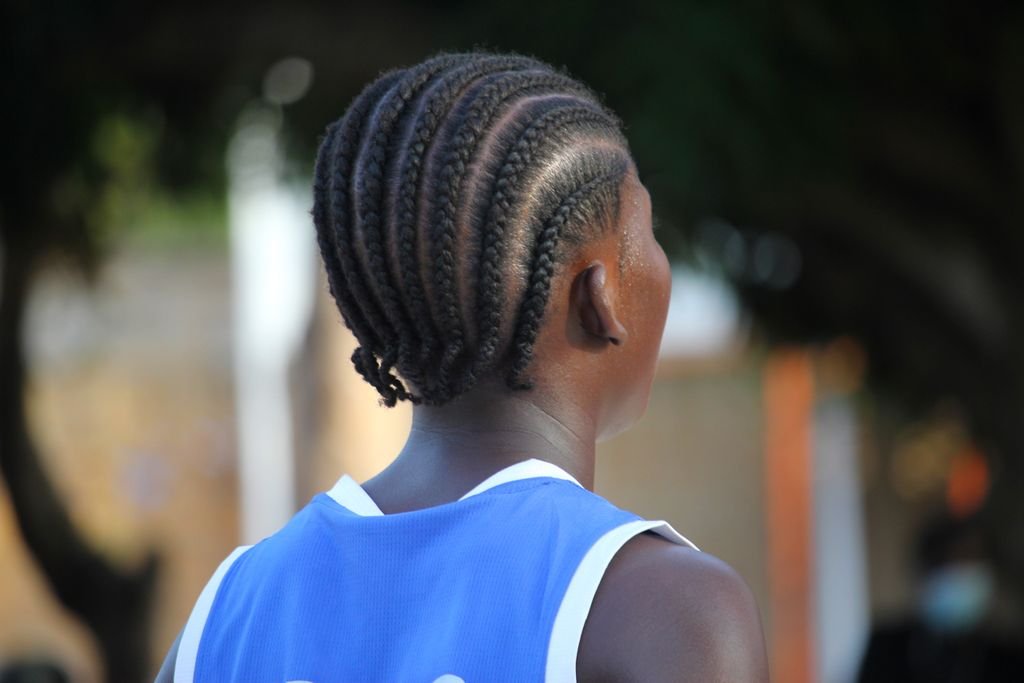
Cornrows are braided flat against the scalp in neat rows, which makes them the flattest protective style you can wear under a helmet — there is nothing to compress, nothing to shift, and no bulk anywhere the helmet sits. Get them done the day before the tournament starts, and they will carry you through the whole weekend with almost no daily work. Keep the braids themselves a little loose at the hairline, because tight edges plus a helmet all day is a recipe for soreness.
Flat twists — the gentler cousin
Flat twists use the same flat-to-the-head idea, but with two strands twisted instead of three braided. They are quicker to install, gentler on the hairline, and easier to take out at the end of the weekend — a good choice if you have never worn cornrows, or if your scalp is sensitive. They hold almost as well under a helmet, and they unravel into soft waves for the team dinner after the final game.
Keeping braided styles fresh between games
A braided style still needs a little care across a tournament. Cover it with a silk scarf or bonnet overnight so the edges do not frizz against the pillow, dab the scalp with a light oil if it feels dry, and smooth the edges with a little gel before each game rather than redoing the whole style. Between games, a quick rinse of just the scalp with water and a soft towel pat-down is enough — no full wash, no restyle, no drama.
Pick Your Style by Position
Not every position asks the same thing of a hairstyle. A catcher wears a helmet and a mask for the whole game; an outfielder sprints and dives; a pitcher needs nothing moving near her face on the throw. Match the style to the job, and the helmet test gets a lot easier.
Catchers and helmet-all-day players — flattest braids only
If you catch, you live in a helmet and a mask for seven innings, so flatness is everything. Cornrows, two tight French braids or a single Dutch braid are the only styles that stay comfortable that long — anything with a bump at the crown or the nape will press into your head by the third inning. Add a silicone-grip headband under the mask straps for sweat, and keep the dugout kit close for edge touch-ups between innings.
Pitchers and infielders — zero face movement on the throw
Pitchers and infielders need a clear face and a still head. A single Dutch braid or a braided low bun keeps everything locked down through the wind-up, the throw and the follow-through, with no strands drifting across the eyes at the release point. Skip loose ponytails and half-up styles here — anything that can swing into your line of sight is a distraction you do not need with a batter waiting.
Outfielders and base runners — hold at full sprint, visor pairings
Outfielders and base runners need hold at full sprint plus a style that works with a visor instead of a helmet on defence. Braided ponytails, two French braids and knotted ponytails all survive a sprint and a slide, and they pair well with a visor because there is no crown bulk to fight the strap. For sunny outfield days, the same visor logic in our cute tennis hairstyles for visor-and-sun sport guide applies here too — low, flat styles that sit neatly under a brim.
Practice Days and Photo Days
Not every softball hair day is a game day. Practice lets you try looser styles, and photo days reward a little extra fun — as long as you know which styles are game-safe and which ones stay on the sidelines.
Half-up styles — fine for light training, not for games (and why)
A half-up style — the top half of the hair tied back, the rest loose — is lovely for light training, warm-ups and team photos, but it fails the helmet test for games. The loose bottom half escapes, tangles and ends up under the helmet straps, and the top knot creates a bump right where the helmet sits. Keep half-up styles for practice and pictures, and switch to a full braid or bun when the game starts.
Space buns for spirit and team photo days
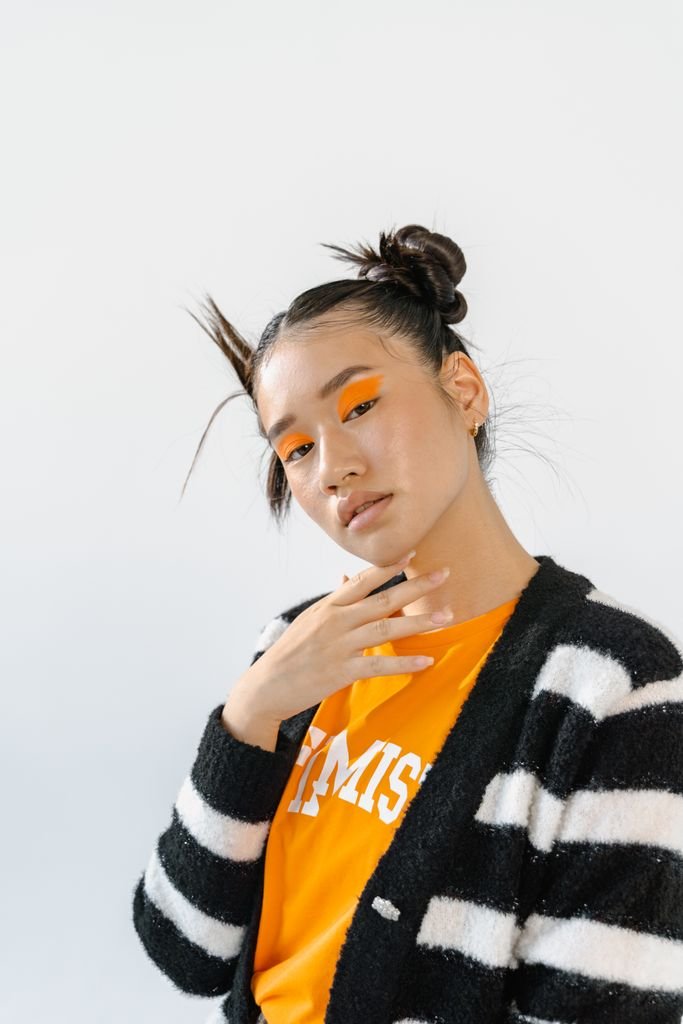
Two high buns, one on each side, maximum personality. Space buns will never in their life fit under a batting helmet, and that is entirely the point — they are for photo day, spirit week, senior night and the team poster. Add ribbon in team colours if your league allows it, and enjoy the one style in this guide with zero engineering behind it.
Your Game-Day Hair Timeline
Good game day softball hair is mostly a timing trick. Do the slow work when you have time, and the game day itself becomes a two-minute check.
The night before. For early starts, braid before bed: a Dutch braid or boxer braids sleep surprisingly well, especially under a silk scarf, and you will wake up with the hardest part already done. Lay out your dugout kit and a spare elastic in your bag while you are thinking about it.
Game morning, five minutes. Check both anchors, smooth the hairline with gel or the wax stick, and run the helmet test — helmet on, shake, jog on the spot. Fix anything now, not in the dugout.
Between games at a double-header. Do not rebuild the style. Tighten the end elastic, re-pin the bun if it has travelled, swap in the fresh headband, and brush out the tail if it is loose. Sixty seconds of maintenance beats twenty minutes of restyling, and your hair will thank you for not being handled twice.
FAQs About Softball Hairstyles
What is the best hairstyle to wear under a softball helmet?
A single Dutch braid or a low bun at the nape. Both sit flat against the head with no bump at the crown, so the helmet seats properly and stays comfortable through a full game.
How do I stop my ponytail falling out mid-game?
Anchor it at two points: a snug elastic at the base, then a second elastic or a few pins a couple of inches down. Braiding the ponytail or wrapping the base with a strand of hair stops the slide that loosens a plain ponytail by the third inning.
Are braids or buns better for long hair?
Braids win for all-day hold, because the weight is spread along the braid instead of hanging from one point. Buns are better when you want the hair fully off your neck in the heat. Very long hair often does best as a braid folded or wrapped into a low bun.
What works for short hair that will not go into a ponytail?
Keep it off the face instead of trying to tie it back: a silicone-grip headband, flat braids along the front hairline, or bobby pins crossed in an X. Many short-haired players choose messy short cuts for players who keep it cropped that need no styling at all on game day.
How do players keep hair in for a whole tournament?
They style once, properly, then protect it: braids done the night before or the morning of day one, a silk scarf or bonnet overnight, edge touch-ups instead of full restyles, and a dugout kit with spare elastics, pins and a mini brush for sixty-second fixes between games.
Conclusion
You do not need eighteen styles — you need two that you trust. Learn one flat braid and one low bun properly, run the helmet test before every game, and hair quietly stops being part of the match. Everything else in this guide is a variation for a position, a photo day or a long tournament weekend. Pick your two, practise them once at home, and let game day be about the game.