15 Easy Tips for How to Travel With a Dog in a Car Without Stress
If you are figuring out how to travel with a dog in a car for the first time, you are in the right place. This guide walks you through the whole trip, from practice drives at home to settling in when you arrive, so your dog stays safe, calm, and comfortable the entire way. No guesswork, no last-minute panic, just simple steps that actually work.
A road trip with your dog can be one of the best parts of travel. Dogs love being with their people, and a car trip means they do not have to stay behind with a sitter. The secret is preparation. A dog that feels secure, gets regular breaks, and has a familiar spot in the car will usually sleep through most of the drive. A dog that is rushed into a long trip with no practice is much more likely to whine, pace, drool, or get sick.
Below, you will find everything in order: how to get your dog ready, a clear step-by-step plan for drive day, what to pack, and the common mistakes to skip. And if you are planning the human side of the trip too, our guide on how to pack jewelry for travel will help you keep your own bags just as organized.
Before You Go: Get Your Dog Ready for Car Travel
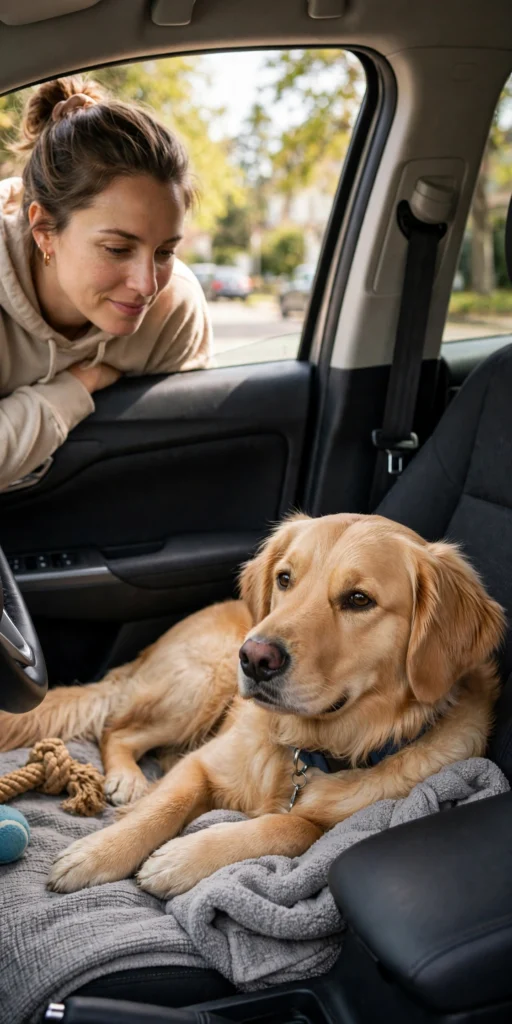
The best dog road trip tips all start before you ever hit the highway. Most travel stress comes from a dog that is not used to the car, or from an owner who packed in a rush. Give yourself about a week to prepare for a long drive, and even a day or two for a short one. A little practice now saves a lot of cleanup and worry later.
Think about your dog as an individual, too. A calm older dog who already loves car rides needs very little prep. A young puppy, a rescue dog, or a nervous dog needs more time and patience. Work at your dog’s pace, keep sessions short and happy, and always end with something good, like a treat or a play session, so the car means good things.
Start With Short Practice Drives
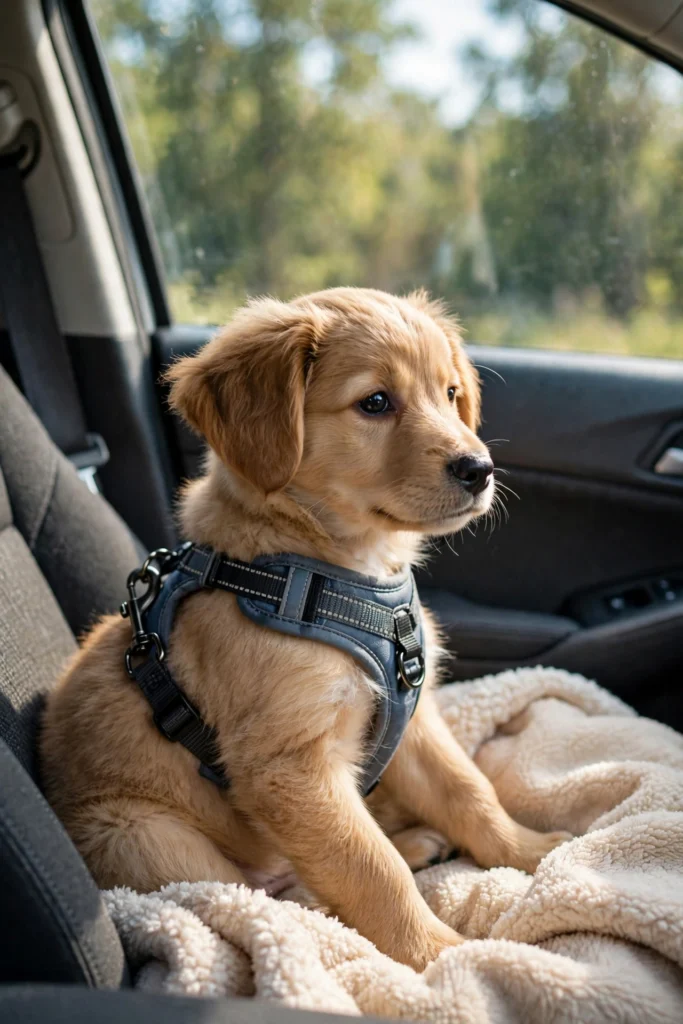
If your dog only rides in the car to go to the vet, it makes sense that the car feels scary. Change that story with short, fun practice drives. Start by just sitting in the parked car together with treats. The next day, drive around the block. Then try a ten-minute drive to a park or a drive-through where your dog gets a small treat.
Build up slowly over a few days. Fifteen minutes, then thirty, then an hour with a fun stop in the middle. Most dogs get comfortable much faster than owners expect. If your dog pants, drools heavily, or tries to climb into your lap, slow down and make the next session shorter and easier. Never punish fear. Calm praise and patience are what build a confident traveler.
Practice with the exact setup you will use on the real trip, too. If your dog will ride in a crate or wear a harness on the big day, use it during practice so it feels normal, not new and strange.
Visit the Vet and Sort Health Basics First
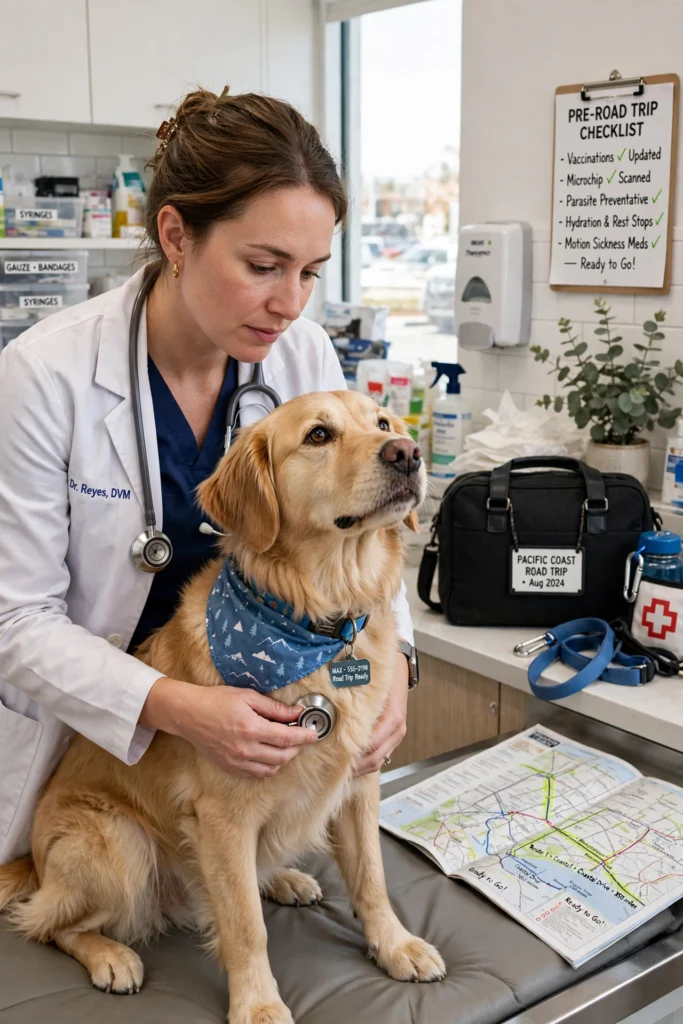
A quick vet check is one of the smartest steps in traveling with a dog by car, especially for a long drive or a trip across state lines. Tell your vet where you are going and how long you will be gone. Ask if your dog’s vaccines are up to date, and get a printed copy of the vaccine record to keep in the car.
If your dog gets car sick or very anxious, ask the vet what is safe to use. There are vet-approved options for nausea and anxiety, but never give your dog human medicine or a sedative you bought online without asking first. The wrong dose or the wrong product can make a trip much worse.
Also make sure your dog’s ID tag has your current phone number, and check that microchip details are up to date if your dog has one. Dogs slip out at rest stops more often than people think, and good ID is how a scary moment becomes a quick reunion. Pack any daily medicine your dog needs, plus a day or two extra, in case your trip runs long.
The ASPCA also shares pet travel tips worth reading before a long drive.
How to Travel With a Dog in a Car: 9 Steps for Drive Day
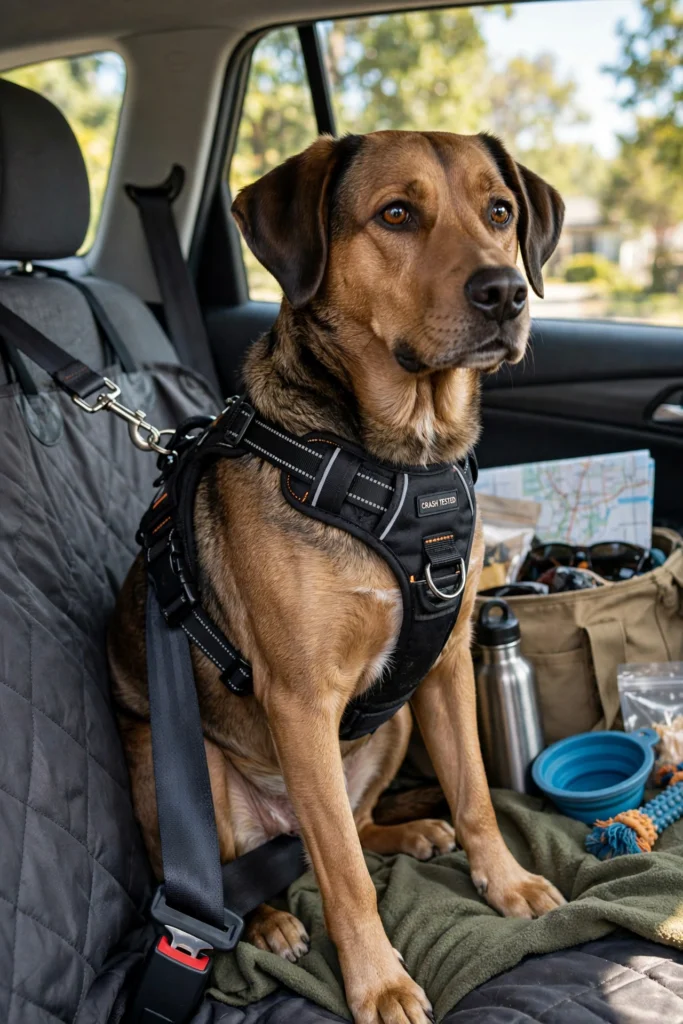
This is the core plan. Follow these numbered steps in order on the day of your trip, and most drives go smoothly, even with a first-time traveler. Print the list or save it on your phone so you do not have to think while you are packing the car.
Step 1: Tire your dog out first. Take a long walk or play a good game of fetch about an hour before you leave. A dog who has burned off energy is far more likely to settle and nap in the car. Just avoid hard exercise in strong heat, and let your dog cool down and drink water before loading up.
Step 2: Feed lightly and early. Give a smaller-than-usual meal three to four hours before you leave. A full stomach plus a moving car is the classic recipe for car sickness in dogs. Bring the rest of the food for later, and offer small drinks of water at stops instead of a big bowl right before driving.
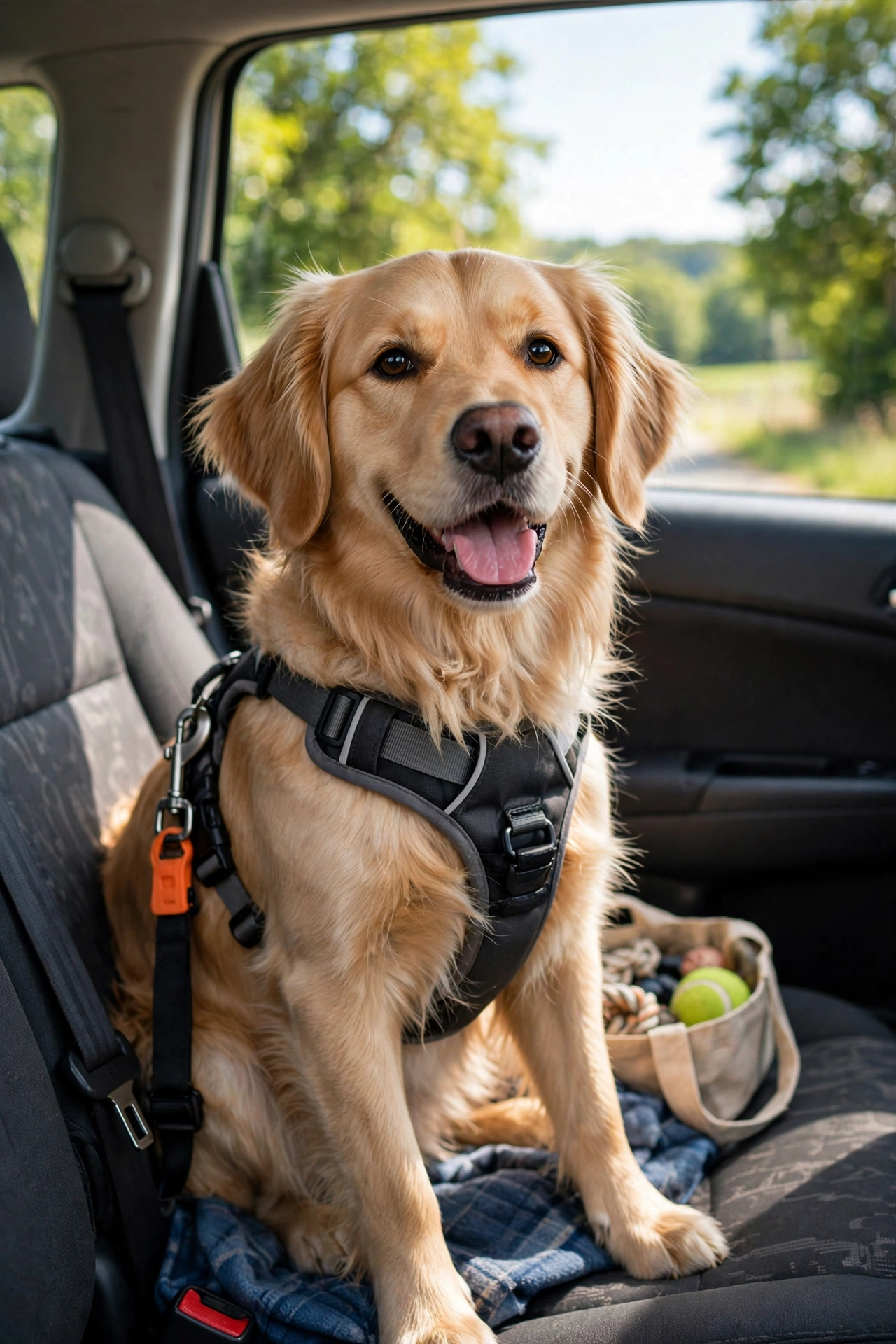
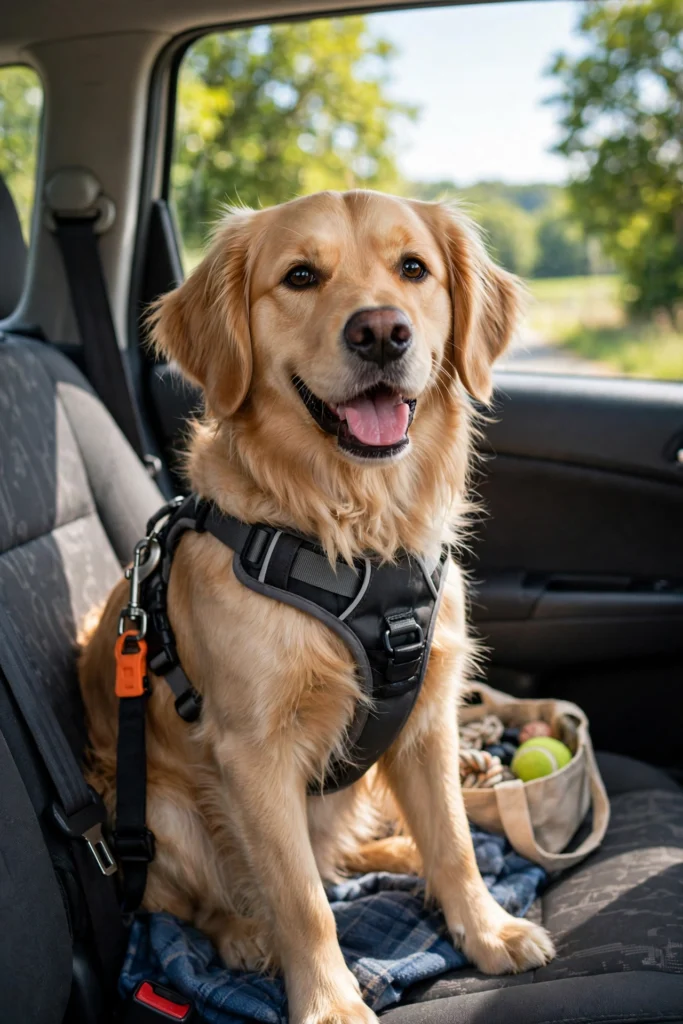
Step 3: Set up the safe spot before your dog gets in. Put the crate, harness, or seat cover in place first. A crash-tested dog car harness clipped to a seat belt, or a sturdy crate that cannot slide around, is the safest choice. Loose dogs can be hurt in a sudden stop and can also distract the driver, so the back seat is always better than the front.
Step 4: Add familiar comfort items. Place your dog’s usual blanket or bed in the spot, plus one safe chew or toy. Familiar smells tell your dog this is a resting place, not a strange new situation. Skip brand-new toys on drive day, since new things can upset sensitive stomachs or get chewed into pieces.
Step 5: Load your dog calmly and clip in. Let your dog hop in or lift small dogs gently. Clip the harness or close the crate, give a calm word of praise, and offer a small treat. Keep your own energy relaxed. Dogs read their owners closely, so if you act like this is no big deal, they usually believe you.
Step 6: Start with a slow, easy first stretch. Drive gently for the first twenty minutes. Avoid sudden stops and sharp turns while your dog settles. Keep the car cool and add fresh air with a cracked window if your dog enjoys it, but never let your dog hang its head fully out of the window, since dust and debris can hurt eyes and ears.
Step 7: Stop every two to three hours. Plan bathroom and stretch breaks about every two hours for puppies and small dogs, and every three hours for most healthy adult dogs. Choose grassy areas away from traffic, keep the leash on before the door opens, and offer water at every stop.
Step 8: Never leave your dog alone in a hot car. Even on a mild day, a parked car heats up fast. If you need to go inside a store or restaurant, take turns with another adult, choose dog-friendly stops, or use drive-through options. This step is not optional, even for five minutes.
Step 9: End the drive with a calm routine. When you arrive, leash your dog before opening the door, do a quick bathroom walk, offer water and a normal meal, and let your dog sniff and explore the new place at its own pace. A predictable ending helps your dog relax faster at hotels, rentals, and family homes.
Set Up a Safe Spot in the Back Seat
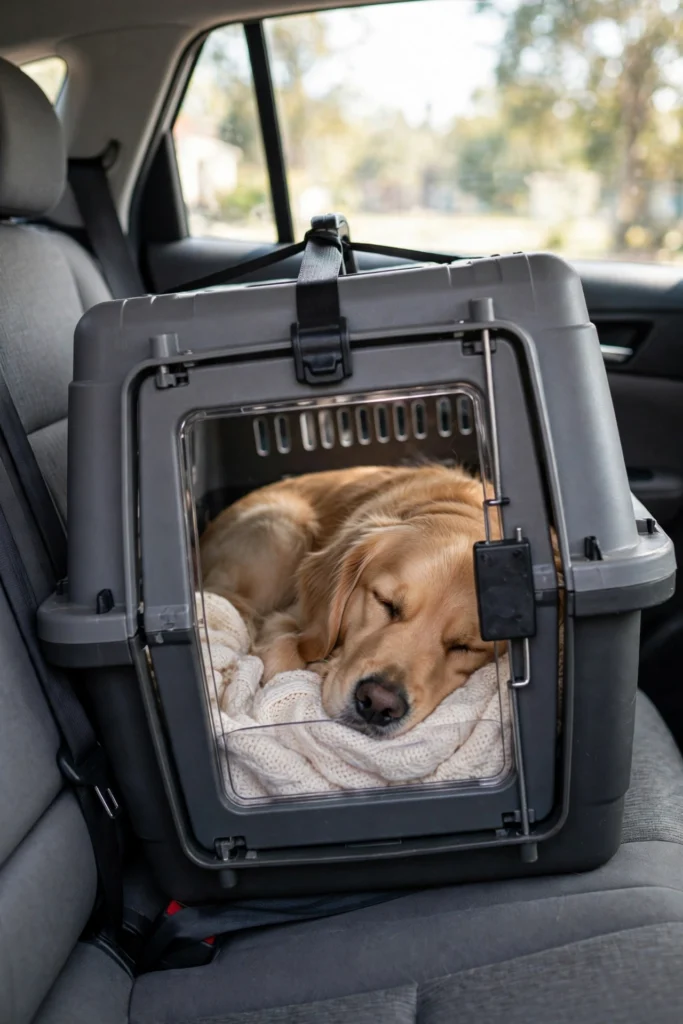
Dog car safety deserves its own moment, because this is where most trips go right or wrong. Your dog’s spot should be secure, soft, and boring in the best way. A crate works well for dogs who already rest in one at home. Anchor it so it cannot tip or slide. For dogs who dislike crates, a harness made for car travel, attached to a seat belt in the back seat, is a strong second choice.
Add a washable seat cover or blanket under your dog. Even the best travelers drool, shed, and track in dirt at rest stops. A cover you can shake out and wash will save your seats and your mood. Keep the area clear of loose bags, bottles, and cords that a bored dog could chew during a long, quiet stretch.
Temperature matters in that back seat, too. Check that air from the vents actually reaches your dog, especially if a crate blocks the flow. On sunny drives, a simple window shade on your dog’s side keeps the spot cooler and less bright, which helps many dogs sleep.
Plan Stops, Water, and Bathroom Breaks the Smart Way
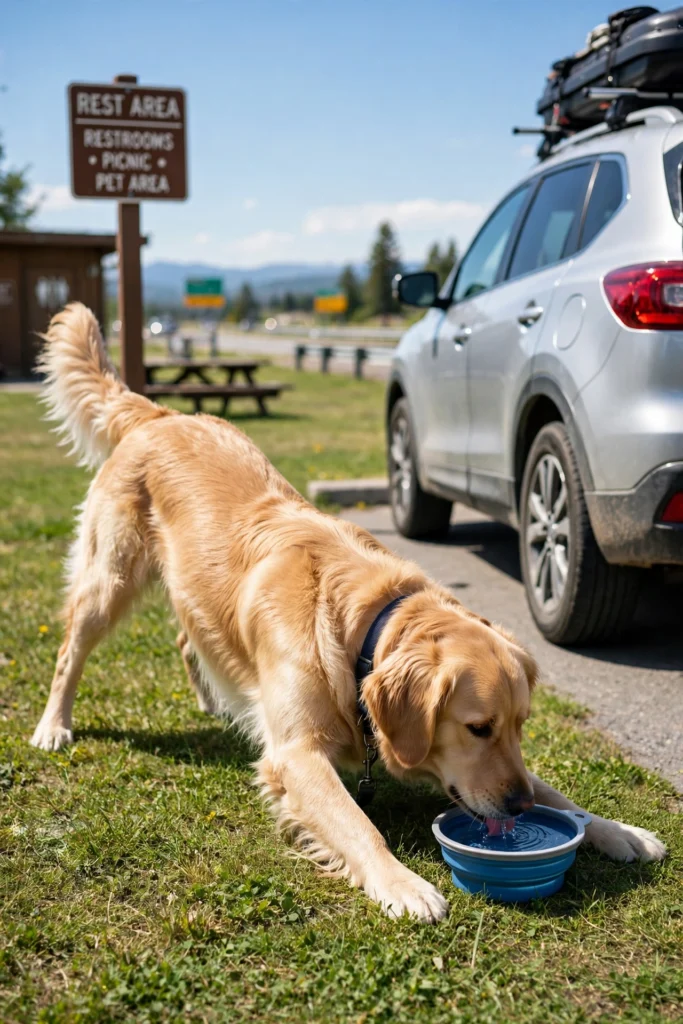
The best way to travel with a dog on a long drive is to plan your stops before you leave, not when your dog starts whining. Look at your route and pick rest areas, parks, or pet-friendly stops every two to three hours. Save them in your maps app so you are not searching while driving.
At each stop, follow the same simple order: leash on, door open, bathroom first, water second, short walk third. Ten to fifteen minutes is enough for most breaks. Let your dog sniff around, since sniffing is real mental exercise and helps dogs relax on the next stretch.
Carry water from home or use bottled water if your dog has a sensitive stomach, because new water in new places can upset some dogs. A spill-proof travel bowl makes offering water in the car easy during quick stops. And always bag and throw away waste, even at quiet rural stops. It keeps rest areas welcoming for the next dog family.
What to Pack: Your Dog Travel Checklist
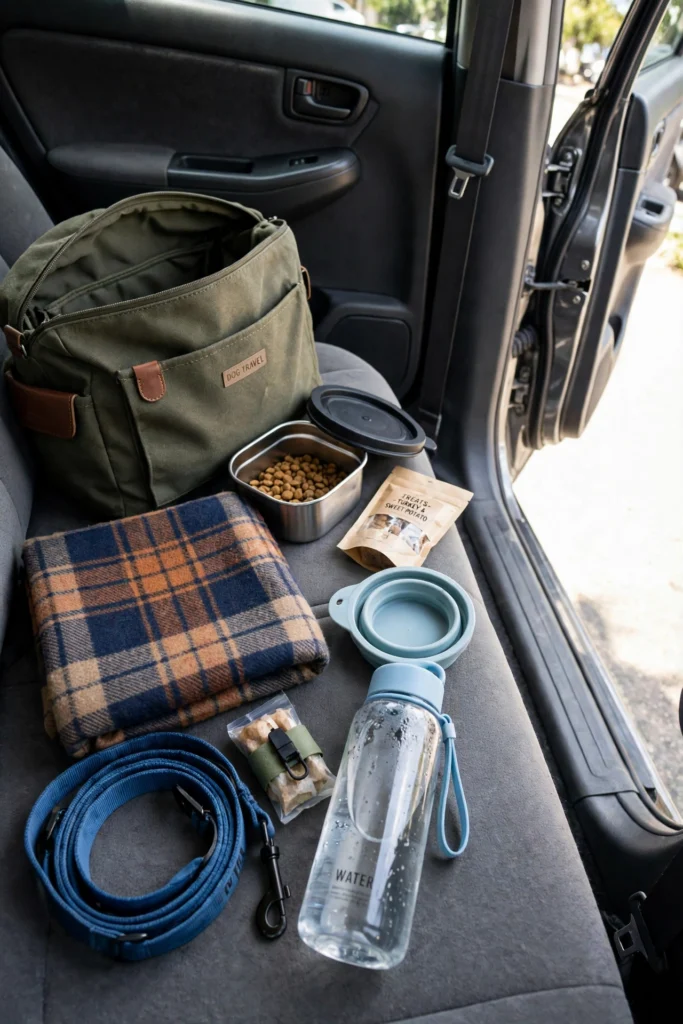
A short dog travel checklist keeps packing simple and stops the classic problem of remembering the leash but forgetting the food. Pack your dog’s things in one bag that lives by the car door during the trip, not buried under suitcases. Here is what most dogs actually need.
Start with food measured into daily portions, plus extra for delays. Add treats, any medicine, waste bags, an extra leash and collar, ID and vaccine papers, water and a travel bowl, and cleaning supplies like paper towels and an enzyme cleaner for accidents. If you also love a tidy packing system for your own things, the same carry-on-only thinking behind our favorite solo travel safety gadgets pairs really well with a one-bag dog kit.
Food, Comfort, and Cleanup Essentials
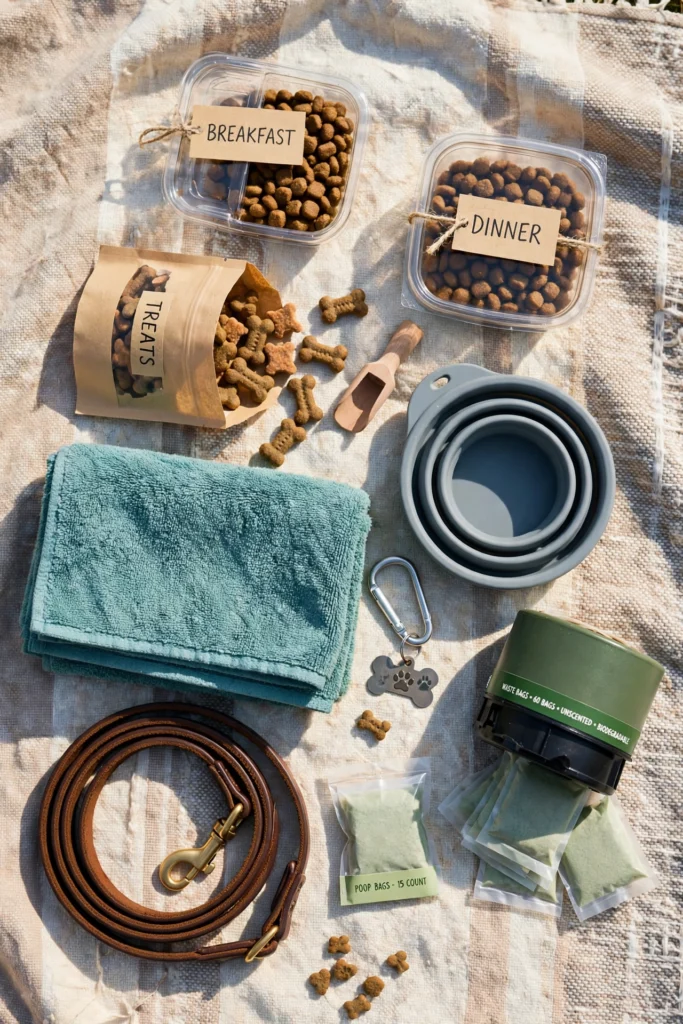
Food comes first. Sudden food changes upset dog stomachs, so bring your dog’s normal food, not a new brand you grabbed at a gas station. Pre-portioning meals into bags or a sealed container makes hotel and rest-stop feeding fast and mess-free. Bring feeding bowls that are light and easy to rinse.
Comfort items are next. Your dog’s bed or blanket from home, one or two safe chews, and a familiar toy cover almost everything. For nervous dogs, a snug-fitting anxiety wrap or a blanket that smells like home can help more than a pile of new gear.
Cleanup supplies are the part people forget and then regret. Pack more waste bags than you think you need, paper towels, wet wipes that are safe for pets, an old towel for muddy paws, and a small bottle of pet-safe cleaner. A plastic bag for dirty items keeps smells out of the car. Five minutes of packing here can save an entire afternoon of a smelly drive.
Keeping Your Dog Cool, Calm, and Entertained
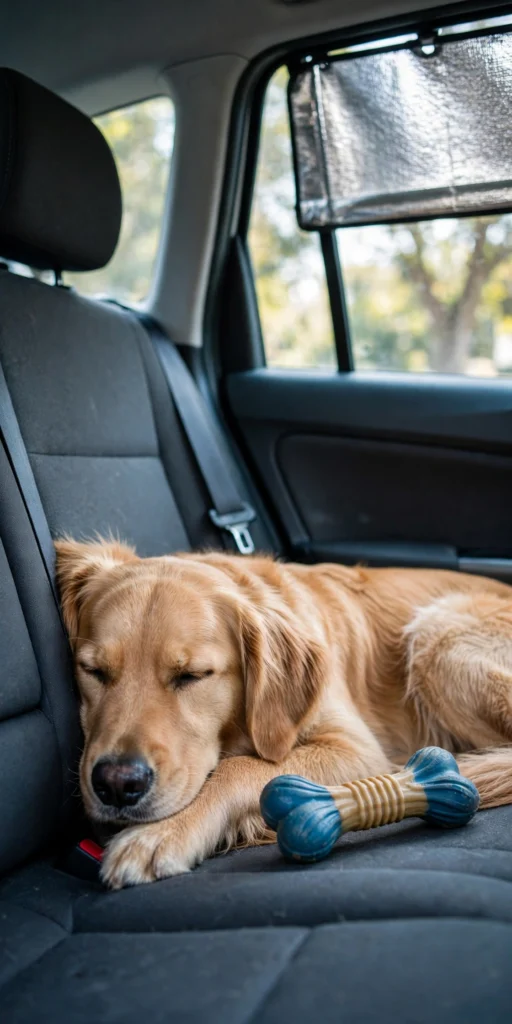
Learning how to keep a dog calm in the car is mostly about comfort and routine. Keep the cabin cool, since dogs overheat faster than people and a warm car makes restlessness and drooling worse. Aim the vents toward the back, check your dog at every stop for heavy panting, and offer water often in warm weather.
For entertainment, think quiet and long-lasting. A stuffed food toy prepared the night before, a long-lasting chew your dog already knows, or a lick mat with a thin smear of dog-safe filling can keep a dog busy for the first stretch while it settles. Rotate one item at each stop instead of handing over everything at once.
Calm music or normal talk radio at a low volume helps some dogs, mostly because it makes the car feel like everyday life. What helps most, though, is your calm routine: same setup, same break order, same praise. Dogs relax when the pattern makes sense.
On the Road: Mistakes to Avoid and Arrival Tips
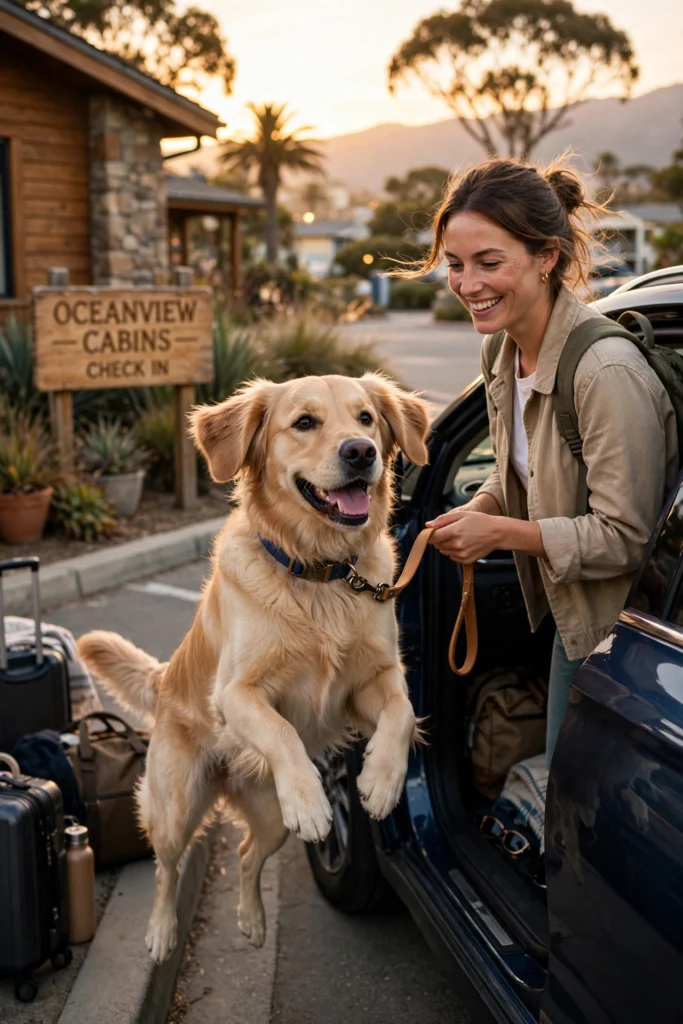
Even well-planned trips hit little bumps. A traffic jam, a missed exit, or a dog who suddenly refuses to get back in the car can happen to anyone. The good news is that most problems come from a short list of common mistakes, and all of them are easy to avoid once you know them.
This section also covers what to do when you arrive, because the trip is not really over when the engine turns off. And if your next trip involves a flight instead of a drive, planning comfy travel outfits ahead of time helps too, which is why so many readers save our plus size airport outfits ideas before they fly.
Common Mistakes That Stress Dogs Out
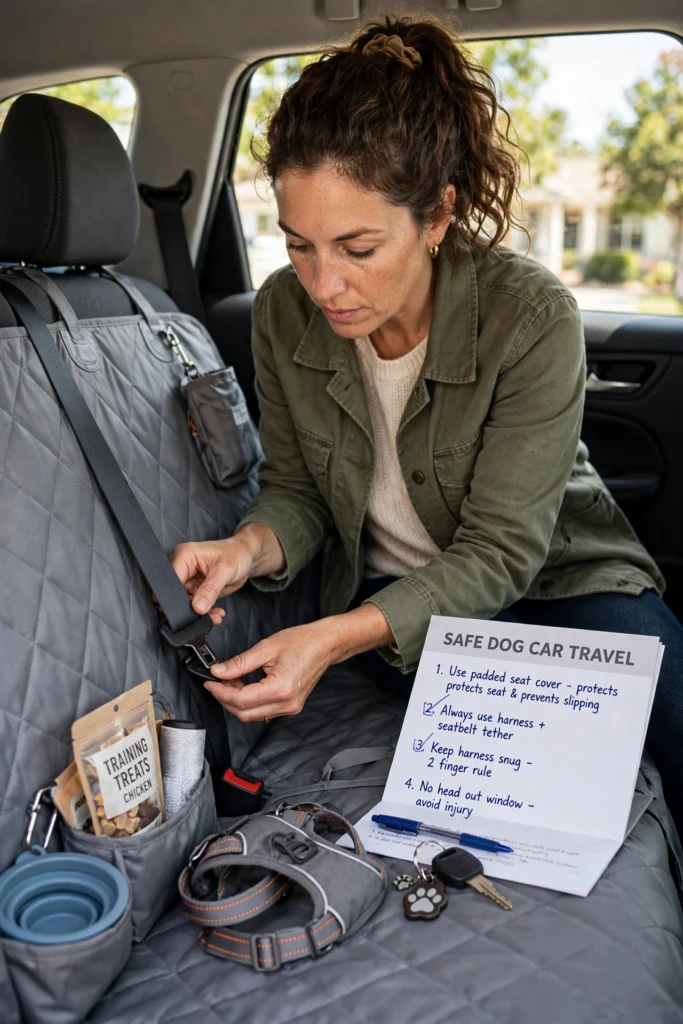
Mistake one is skipping practice and jumping straight into a five-hour drive. That is the top reason first trips go badly. Mistake two is feeding a big meal right before leaving, which invites car sickness even in dogs who normally travel fine. Mistake three is letting a dog ride loose or on a lap, which is unsafe for the dog and distracting for the driver.
Mistake four is forgetting breaks because the dog seems asleep. Quiet does not always mean comfortable. Regular stops prevent accidents, stiffness, and built-up stress. Mistake five is leaving a dog in a parked car on a warm day, even with the windows cracked. Cracked windows do not keep a car cool enough, and this mistake can turn dangerous very fast.
The last common mistake is changing everything at once: new food, new crate, new car, and a new destination all on the same day. Keep as much as you can familiar, and your dog only has to adjust to the trip itself.
Final Tips Before Your Next Dog Road Trip
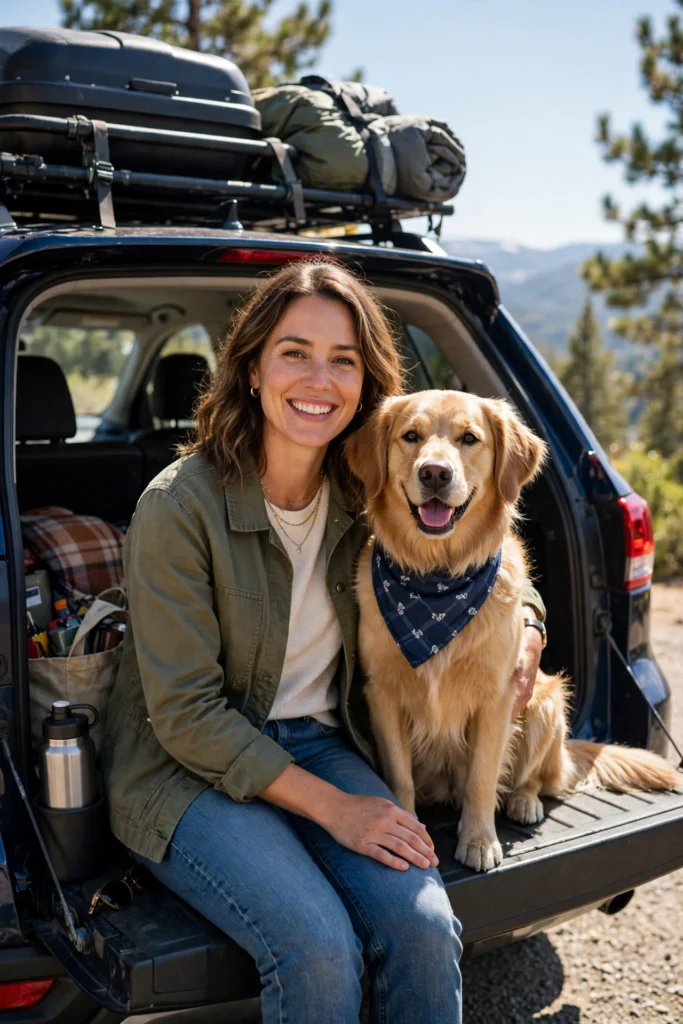
You now know the full picture of a dog friendly road trip: prepare early, follow clear steps on drive day, pack one smart kit, stop on schedule, and keep everything familiar and calm. Start with one shorter trip if you can, notice what your dog liked and what was hard, and adjust for next time. Every trip teaches you something, and most dogs get better and better at car travel with each calm experience.
A few last honest notes. Some dogs, especially very anxious ones or older dogs with health issues, honestly prefer staying home with a trusted sitter, and choosing that is not a failure. It is good care. If your dog loves the car, though, these steps will make road trips together easy, safe, and genuinely fun for both of you.
If this guide helped you plan, save it on Pinterest so you can find the checklist again before your next trip, and share it with a friend who is planning a first drive with their dog. For more simple, practical travel and everyday ideas, explore more on FashionMarid, where we keep adding reader-friendly guides you can actually use.