Short Hairstyles Over 50: 19 Cuts for Grey, Fine and Glasses-Wearing Hair
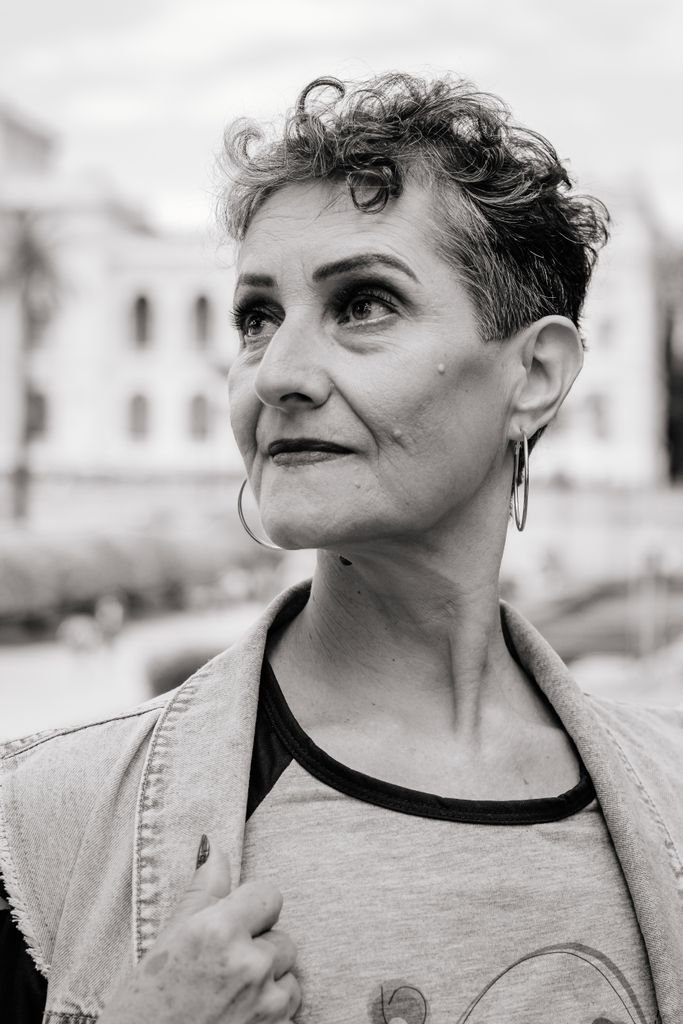
If you have worn the same shoulder-length cut for twenty years, going short can feel like a big decision. It helps to know this first: short hairstyles over 50 are not a compromise, and they are rarely a step down. For many women they are the cut that gives hair its body back. As strands grow finer and colour lightens, long lengths can drag hair down and make it look thinner than it really is. A well-chosen short cut does the opposite — it lifts, it lightens your mornings, and it puts the focus back on your face.
So this guide does not rank cuts in one flat list. It sorts 19 short hairstyles for women over 50 by the four things that genuinely change at this age: how much density you have, the grey or silver you are working with, whether you wear glasses, and how much styling you honestly want to do. Find the section that sounds like your hair right now, and start there.
What Changes After 50 (and How the Right Cut Answers It)
Most “over 50” hair advice talks about age. It is more useful to talk about hair. Three changes show up again and again, and each one has a simple answer built into the cuts below.
Thinning and lost density
Hair often grows a little slower after 50, and each strand can come back finer than the one before it, so the same ponytail holds less hair than it used to. Length makes this worse: long, fine hair separates into strings and can let the scalp show through. Short hair keeps the strands together, where they support each other and read as fullness. It is the main reason a crop or a short bob over 50 so often looks thicker than the longer style it replaced. AARP’s guidance on hair changes after 50 makes the same point — density, not age, is the thing to design around. One honest note: gradual thinning is common, but sudden or patchy hair loss is worth a doctor’s visit, not just a haircut.
Texture shifts
The hair you have now may not behave like the hair you remember. Grey strands often grow in wirier and drier. Hair that was straight can develop a bend, and hair that was wavy can loosen. None of this is damage — it is a new texture, and it needs a cut chosen for today. A style that fought your old texture will lose; a style picked for the new one will mostly style itself.
The morning-time audit
Before any cut, answer one question honestly: how many minutes will you really give your hair? Five minutes, fifteen, or wash-and-go only? There is no wrong answer, but there is a wrong match — a precision bob that needs a round brush every day will not survive a wash-and-go life. Every cut in this guide is placed on a maintenance ladder further down, so you can check the effort before you fall in love with the photo.
Silver and Grey: Cuts That Make Natural Colour the Feature
Grey and silver hair catches light differently from pigmented hair. It has dimension built in — bright strands next to deeper ones — and a clean, well-shaped cut shows that off instead of hiding it. These grey short hairstyles treat the colour as the main event.
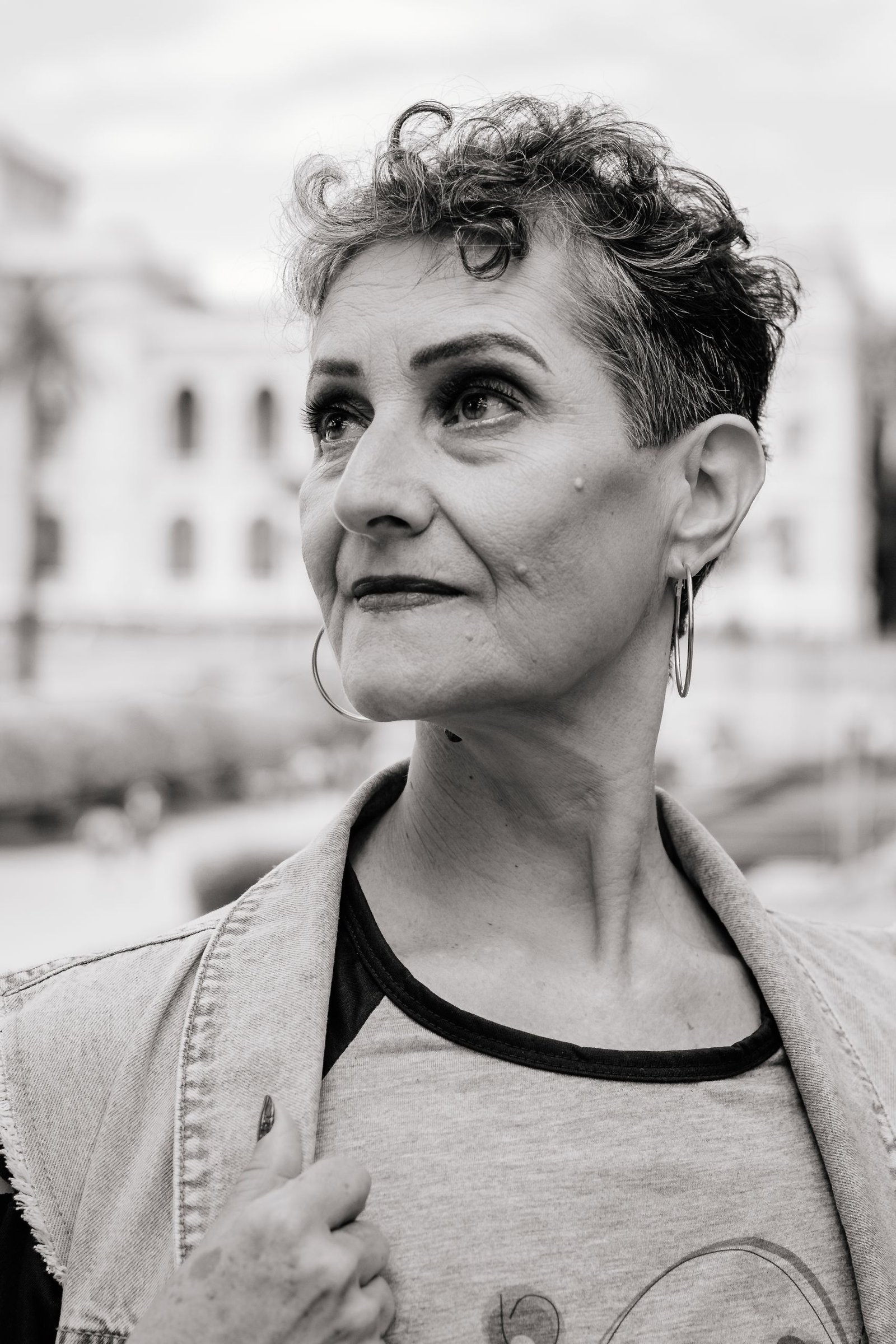
Silver pixie crop
The silver pixie crop is polished because of the grey, not despite it. Short, tidy sides keep the shape smart, while a little length on top lets the silver tones move and catch the light. It is also a kind density decision: with less length pulling down, fine hair sits up instead of lying flat. Its close sister, the swept-back silver crop, keeps the top longer and brushed back off the face — same silver impact, slightly more drama. If the pixie shape itself is what you are drawn to, browse the full shaggy pixie catalogue, variant by variant — in this guide the pixie is chosen as a colour-and-density decision, not collected in every version.
Grey-blend layered crop
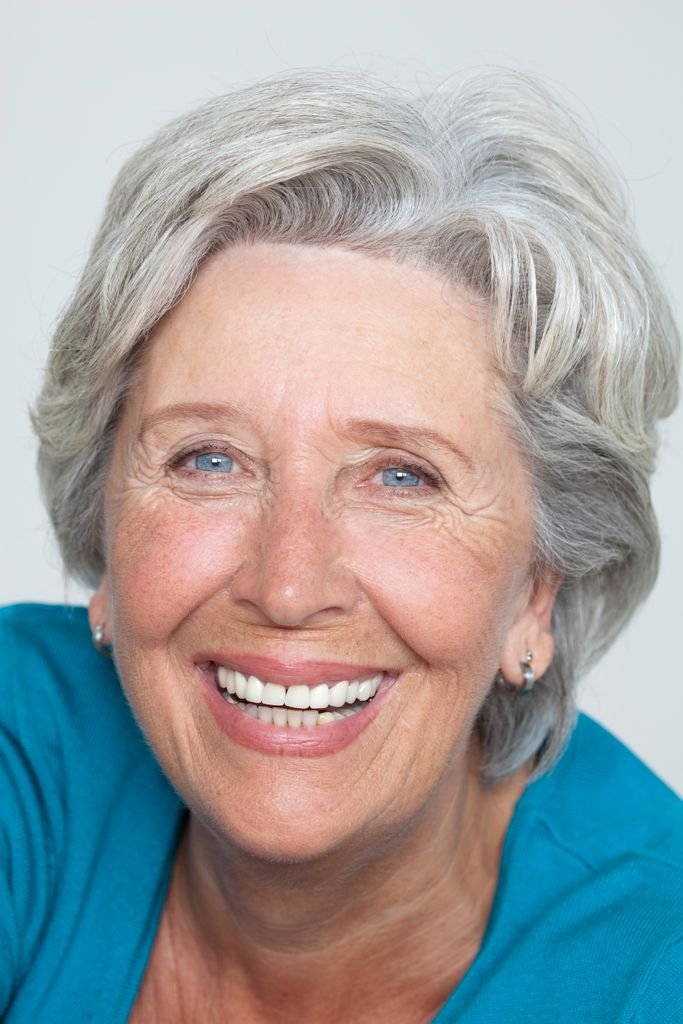
Not everyone wants to arrive at silver in one appointment. The grey-blend layered crop weaves fine highlights and lowlights through your natural grey, so the colour grows out softly with no hard line at the roots. The gentle layers keep it moving, which suits hair that has gone a little wavy with age. It is the kindest option for women growing out old dye: the blend hides the join while your real colour comes through.
Keeping grey bright
Silver hair has two enemies: dullness and a yellow tint. Both are usually fixable at home. A purple-toned shampoo once a week neutralises yellow and keeps grey looking bright rather than brassy. A clarifying wash now and then lifts the mineral and product build-up that makes grey look grey in the dull sense. And because grey strands yellow faster under heat, use a heat protectant before blow-drying or straightening — it is cheap insurance for the colour you have decided to show off.
Volume Engineering for Fine and Thinning Hair
Fine hair is not a problem to fix; it is a brief to design for. The rules are simple: build height where hair is strongest (the crown and the back), keep ends looking solid, and never ask length to do a job it cannot do. These are the short hairstyles for fine hair over 50 that follow those rules.
Stacked bob
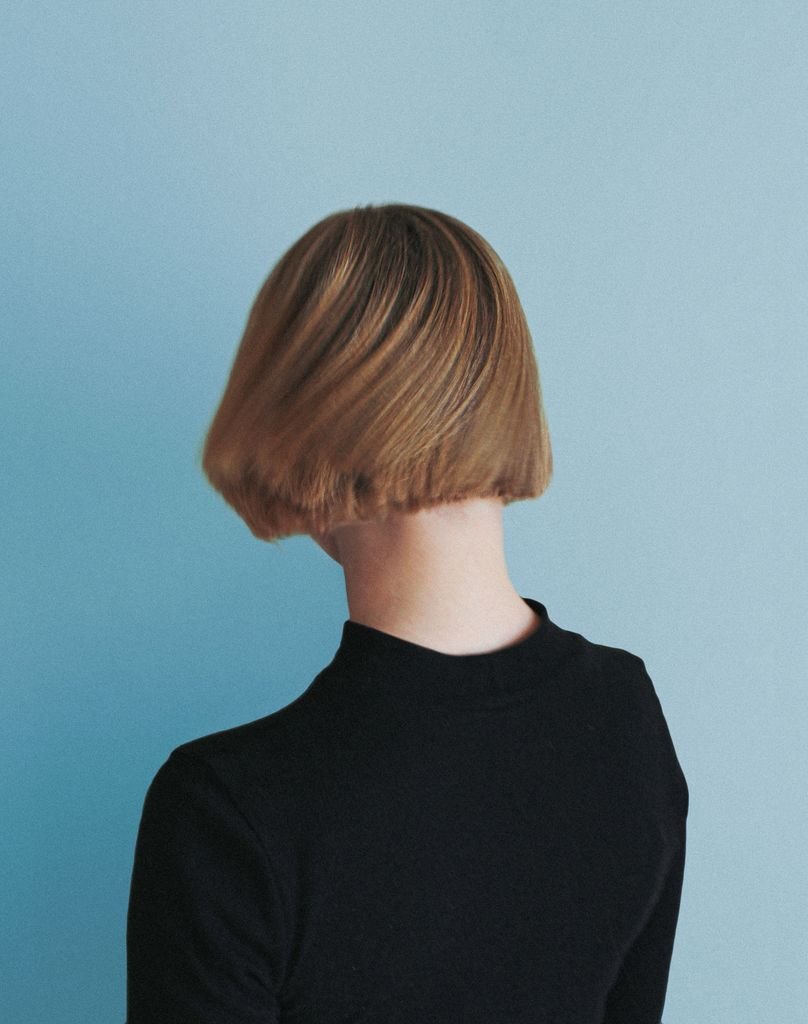
The stacked bob is cut shorter and graduated at the back, so the layers stack on top of each other and build real height at the crown — structure you do not have to create with a brush every morning. The front stays a little longer, which frames the face and keeps it feminine. For fine hair that falls flat by lunchtime, this built-in lift is the closest thing to volume that survives the day.
Side-swept long pixie

A pixie cut over 50 does not have to be cropped close all over. The side-swept long pixie keeps the top long enough to sweep across the forehead in a deep diagonal. That sweep does two jobs: it creates the impression of density where hair is swept over, and it covers a thinner temple or a receding corner without a comb-over look. Short, neat sides keep the whole thing light and modern.
Soft layered crop
The soft layered crop is the gentlest option here: a short crop with layers placed only where the hair needs movement, and the ends left as full as possible. The warning that comes with it matters — over-layering fine hair makes the ends stringy and see-through. Ask your stylist for soft, minimal layers and point-cut ends. Done right, this is the crop that looks like you simply have good hair.
Voluminous crop with soft bangs
This crop pairs a lifted, textured crown with a soft, wispy fringe. The height on top is where the volume lives, and the fringe adds a frame that many women enjoy for softening the forehead. Keep the fringe light rather than blunt and heavy — on fine hair, a heavy fringe steals density from everywhere else and leaves the sides looking sparse.
The blunt-line rule
Here is the rule to remember: when hair is very fine, one blunt length can look thicker than any layers. A blunt chin-length bob lines all the ends up at the same point, so the eye reads a solid edge instead of scattered strands. If your layered cuts keep ending up wispy at the bottom, ask for the opposite — a clean, blunt line with almost no layering. It is the simplest volume trick in this whole guide.
Short Hairstyles That Work With Glasses
For many women, glasses are not an accessory added after the hairstyle — they are part of it, worn all day, every day. So short hairstyles with glasses in mind are designed around the frames: where the arms sit, where the fringe falls, and how the two look together in the mirror.
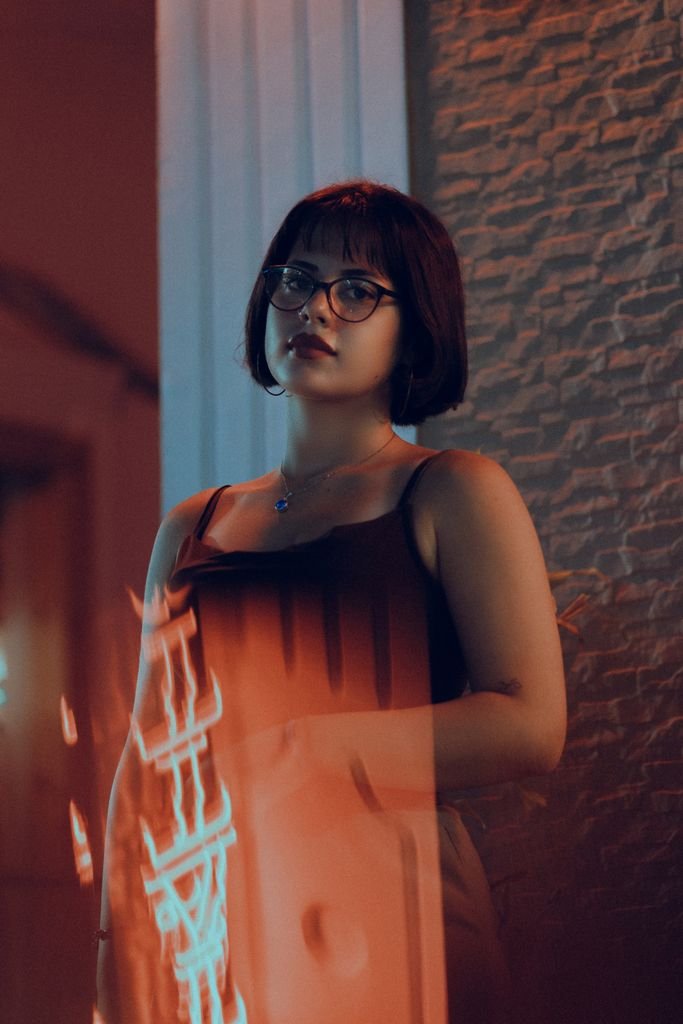
Ear and temple clearance
Glasses arms need a clean place to sit. The temple-tapered crop is shaped neatly around the ears and temples, so the arms rest flat against the head instead of pushing hair out over them. It also saves the daily annoyance of hair catching under the hinges. If you tuck your hair behind your ears, tell your stylist — the cut can be shaped to tuck smoothly rather than springing back out.
Fringe choices that sit above the frame line
A fringe that ends right where your frames begin will tangle with them all day. The above-frame fringe pixie solves it by length, not by luck: the fringe is cut to finish just above the frame line, so the two never compete. A side-swept fringe is the other easy answer, since it travels diagonally and clears the frames entirely. Decide fringe and frames together, and neither will annoy you.
Bring your glasses to the appointment
This sounds obvious and is forgotten constantly: wear your everyday glasses to the salon, and keep them on for part of the cut. Your stylist can then shape around the arms and check the fringe against the real frame line. Before you leave, look in the mirror with your glasses on — that is the version of the haircut the world will actually see.
Cuts by Your Texture, Adapted for Now
Texture is where “adapted for now” matters most. Choose by the hair on your head today — its curl pattern, its weight, its new dryness — not by the hair in your wedding photos.
Curly and coily: cut on the curl
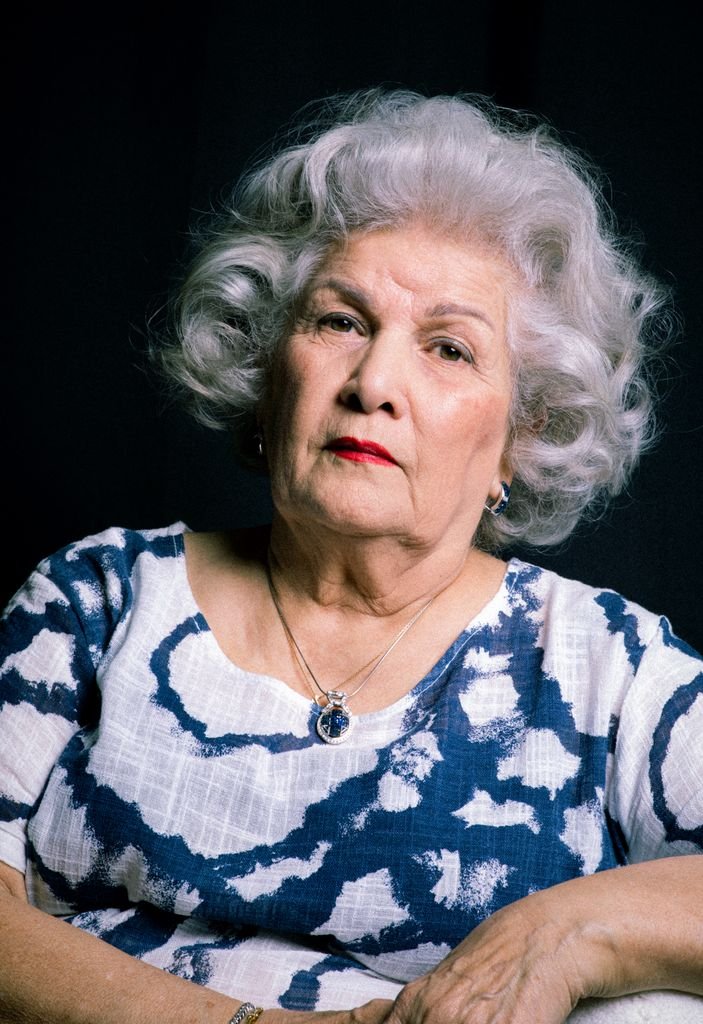
Curly and coily hair should be shaped dry, curl by curl, so the stylist can see where each curl will actually live. A curly pixie keeps curls short and light, which lets them spring up instead of stretching out — and grey curls, which tend to be drier, are far easier to moisturise at this length. A curly bob, cut to sit around the jaw with layers placed by curl family rather than by ruler, gives more length with the same logic. Both are wash-and-go cuts, which is why curls and short lengths get along so well after 50.
Wavy: the lob and the soft shag
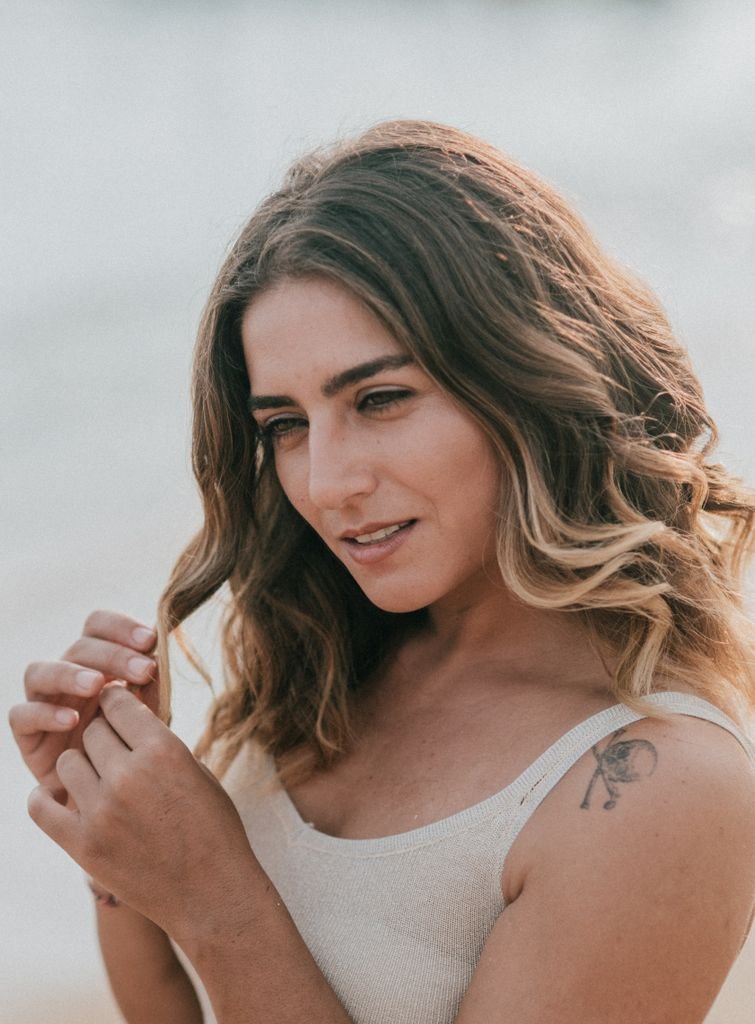
New waviness is one of the most common texture shifts, and two cuts welcome it. The wavy lob — the longest member of the short family — rests near the collarbone and lets the wave do the styling; a little mousse scrunched in is the whole routine. The cropped shag with soft fringe goes shorter: loose layers that follow the wave, with a gentle fringe that moves instead of sitting stiff. Fringe length is a science of its own, and if you want it in detail, curtain bangs explained by face landmark is the guide to read before you book.
Straight and fine: clean lines

Straight, fine hair looks best in cuts with a deliberate line. The ear-length bob is the cleanest: a sleek edge at ear level that reads polished with almost no styling. The angled bob runs longer at the front, which adds swing and a little drama while keeping the back easy. Between the two sits the sleek pixie-bob — part pixie, part bob — cropped at the back with a longer, smooth top and front. All three rely on shape rather than texture, which is exactly what straight hair offers.
Thick: take the weight out
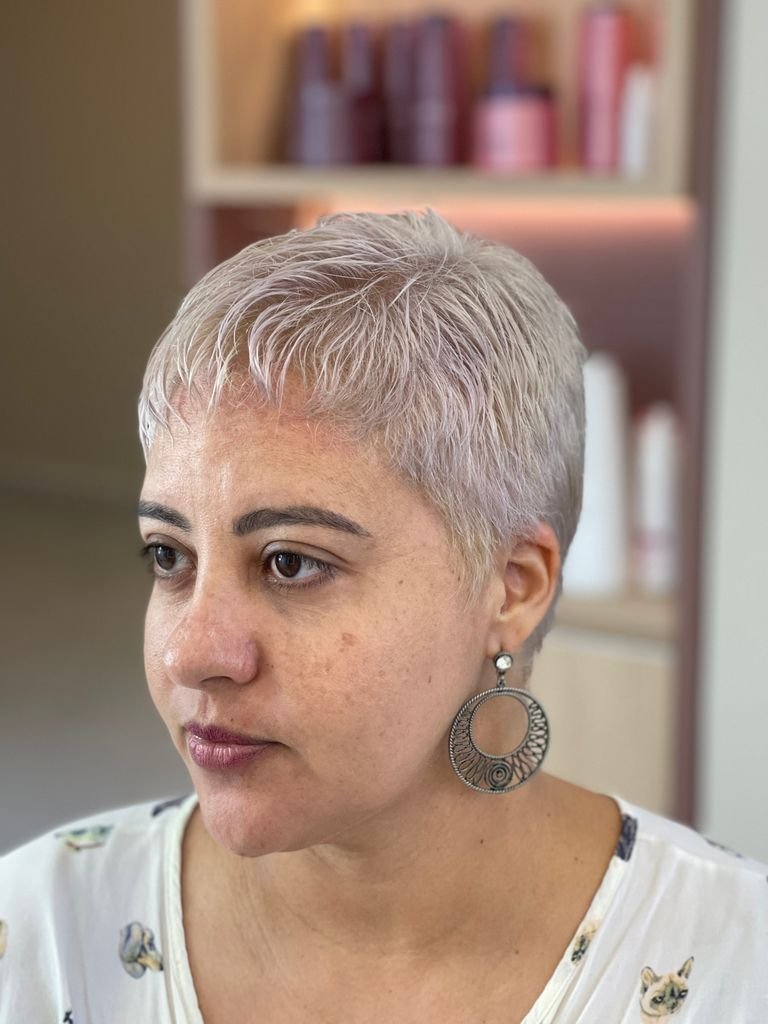
Thick hair after 50 can feel heavy, hot and slow to dry. The answer is not length but weight removal. The feathered crop lifts bulk away with soft, feathered edges, so the hair moves instead of sitting like a helmet. The rounded bob with weight removed keeps a classic bob outline while the interior is lightened, so it dries faster and swings freely. If your hair has always been thick, these two will feel like taking off a coat.
The Maintenance Ladder: Pick Your Effort Level
Every cut in this guide sits somewhere on this ladder. Match the cut to the tier you will honestly live on, and the hairstyle will keep working long after the first week’s compliments.
Wash-and-go tier
The silver pixie crop, the curly pixie and the soft layered crop live here. Wash, work in one light product, let it dry. That is the entire routine. These cuts are built on shape and texture rather than styling, which is why they suit women who would rather spend their mornings on anything else. Still working and want this tier to read polished? These same short shapes, kept neat, sit comfortably alongside corporate hairstyles for women still working and leading.
Five-minute tier
The stacked bob and the side-swept long pixie ask for about five minutes: one volumising product on damp hair, a quick lift with a round brush at the crown, done. It is a small ritual, but it is a daily one — choose this tier only if you genuinely enjoy it, because a five-minute cut skipped becomes a flat cut by Friday.
Salon rhythm
Short cuts grow out of shape faster than long ones, simply because there is less margin. Plan on trims every 4 to 6 weeks, and book the next appointment before you leave the salon so the rhythm holds. Between cuts, many salons will tidy the nape and fringe in ten minutes — ask, because that small tidy is what keeps a short cut looking intentional instead of overdue.
Face-Shape Quick Map
This is the quick version — one paragraph per shape, with the cuts from this guide that answer it.
Round faces want height. Lift at the crown lengthens the whole picture, so the stacked bob, the voluminous crop and the side-swept long pixie are your friends. Keep the sides sleeker so the width stays on top, not at the cheeks.
Square faces want softness. Feathered edges and gentle layers take the emphasis off a strong jaw, which makes the feathered crop and the grey-blend layered crop easy choices. A soft, wispy fringe helps here too.
Heart faces want balance at the chin. Fullness around the jaw gives the narrower lower face its counterweight, so the blunt chin-length bob and the angled bob — both fuller where a heart face is narrowest — work beautifully.
Long faces want width, not height. Avoid crown lift and look for volume at the sides instead: the wavy lob and the rounded bob put their fullness exactly where a long face needs it.
That is the map; the full territory is bigger. For proportion, volume placement and framing worked out shape by shape, see short cuts chosen by face-shape proportion — this guide stays with the age-specific decisions and leaves that system to the article that owns it.
At the Salon: Photos, Words and Colour Talk
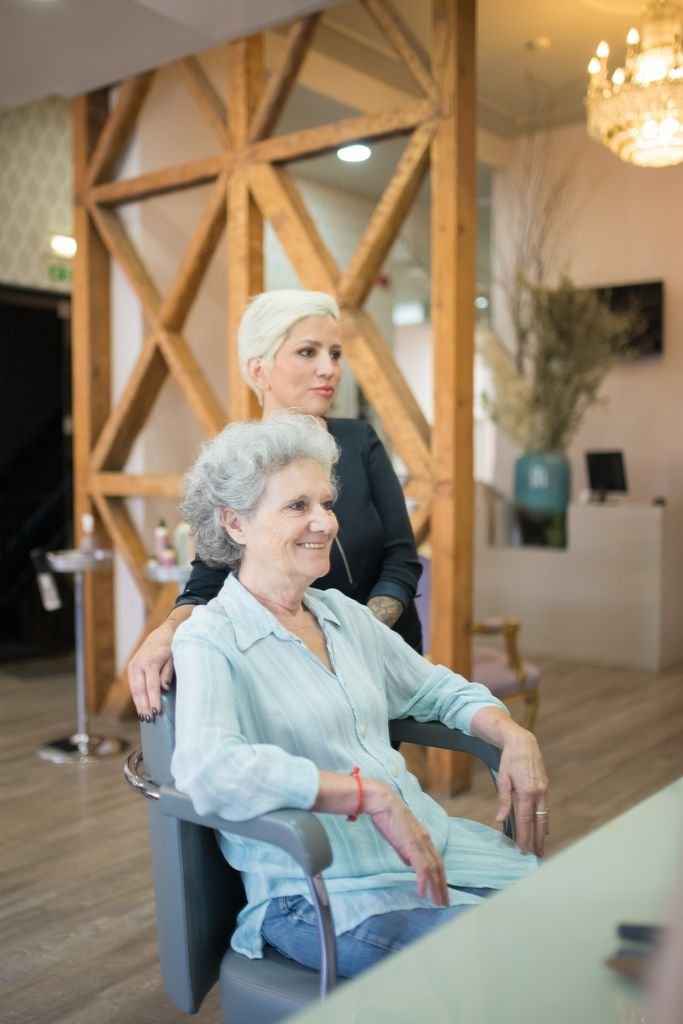
Three habits make the appointment go well. First, bring two photos of the cut you want — one from the front, one from the side — because “short” means something different to every person in the room. Second, name your maintenance tier out loud: “I am wash-and-go” is information your stylist will design around. Third, talk colour honestly before anything is booked. If full silver is not for you yet, blending is a perfectly good middle road — the shades and the blending logic are laid out in chocolate brown shades and grey blending, colour by colour, so you can decide before the foils come out.
FAQs About Short Hairstyles Over 50
Does short hair make you look older or younger?
Neither on its own — the fit does the work. A short cut with lift at the crown and softness around the face usually looks fresher than long, thinning hair that drags the features down. A severe or dated short cut can age anyone, so choose by your density, colour and glasses, not by age rules.
What is the lowest-maintenance short cut after 50?
A soft layered crop or a curly pixie, depending on your texture. Both are wash-and-go: shampoo, one light product, and air-drying is the whole routine. They also grow out softly, so a trim every six weeks keeps them tidy without salon styling in between.
How do I add volume to fine, thinning hair?
Start with the cut: stacked backs, blunt ends and short layers lifted at the crown all make fine hair read thicker. Then style light — a root-lift mousse on damp hair, blow-dried upward — and avoid heavy oils and creams, which weigh fine strands down and separate them.
Should I colour my grey or blend it?
Both work; it is a maintenance choice, not a rules question. Blending with highlights or lowlights softens the grow-out line and needs salon colour only every few months, while full colour gives an even result but shows roots in weeks. Many women blend first, then decide.
How often does a short cut need trimming?
Every 4 to 6 weeks for most short cuts. The nape and the hair around the ears lose their line first, while the top usually still looks fine. Book the next appointment before you leave the salon, and ask about a quick fringe or nape tidy between cuts.
Conclusion
The best short haircut after 50 is not the trendiest one or the one your friend swears by — it is the one matched to your hair as it is now: its density, its colour, its texture, and your real mornings. Pick two or three favourites from this list, save the photos, and bring this page and your glasses to the appointment. Short haircuts for older women work best when they are chosen on purpose, and you now have everything you need to choose yours.